❝Alexithymia Is Not One Story,❞ by some Post-society unknowing 1987 women’s magazine Thatcherite billing herself for For-profit commercial or business purposes as The Cognitive Ecologist I Neurodivergent system builder I Author of .. I Omnisyntra Journal I 5.1K subscr…
⭆ ❞My most esteemed readers in 193 countries and in semi-autonomous regions excluded from world political affairs on the psycho-neurotically demented barbaric racist misogyne Age of Romance Abrahamic ‘faiths’ foundation myths and popular culture storytelling for the express and punitive purposes of neurocognitive regimentation and life-long hegemonic capture of senior primary and junior high youngsters who possess no developed mental capacity for relationship-, social-. environmental- or indeed macro-spiritual conversation with any significant other, being naturally and entirely healthily at the instantly or in athletics instantaneously) co-ordinated ‘LCQS’ most commonly Micro-quanta thoughts & actions and ‘RCQS’ (all hesitant contemplative ‘thoughtful’ or pensive macro (conceptual) ideation re person (s), place. event, environment and futures) mental development Professor Piaget’s 1934 and Twentieth-century Common Era Psychiatry’s Concrete-operational thinking or ❝Object-relations ⇐❞
Forwarded this email? Subscribe here for more Mapping Minds, Reclaiming Systems: Notes from The Cognitive EcologistAlexithymia Is Not One StoryOn the single-cause stories we tell about not having words for feeling — and why the truth is plural.The Cognitive EcologistJul 6 Mapping Minds, Reclaiming Systems: Notes from The Cognitive EcologistAlexithymia Is Not One StoryOn the single-cause stories we tell about not having words for feeling — and why the truth is plural.The Cognitive EcologistJul 6     READ IN APP READ IN APP  Alexithymia gets handed around like a verdict. Difficulty naming and locating your own emotions — that’s the clinical shorthand — and the moment the word lands on someone, a whole story tends to arrive with it, already finished. I want to slow that story down, because it’s usually two different flat ones, and neither is true for everyone.The first flat story is the deficit one: you don’t really have feelings. You’re cold, or empty, or broken in the place an emotional life is supposed to be. It gets weaponized in relationships and misapplied in clinics, and it’s almost always wrong about what’s actually happening inside the person.The second flat story is newer and gentler and just as total: alexithymia is a trauma response, full stop. For some people that is exactly, precisely true, and naming it is a relief that reorganizes a life. But said as the only story, it does its own quiet harm — it tells the person whose wiring was simply always like this that they must be carrying a wound they can’t find, and it turns a description of terrain into an accusation about the past.The problem was never that any of these stories is false. The problem is telling one of them as if it were all of them.For a long stretch of my life I wondered if I had it — and I wondered because of an excess, not an absence. My feelings arrived in such intense, layered waves that I couldn’t get a single clean word around any of them. I was feeling everything and nothing at once, a whole symphony playing with no sheet music I could read aloud. That isn’t the deficit story. And it wasn’t, in any simple sense, only the trauma story either. It was a translation problem: the feeling was fully present and completely real, and the machinery that turns feeling into a namable, speakable word was doing something other than what the world expected.Once I could see it as translation rather than absence, the shame lost its grip. I wasn’t missing an emotional language. I was fluent in one the dominant culture doesn’t read — a language of sensation, image, pressure, and pattern that arrives long before, and sometimes instead of, the tidy sentence “I feel sad.”Here’s the fuller picture, the one that actually holds. Alexithymia is not a single condition with a single cause. It’s a crossing that several different roads happen to arrive at. For some it’s constitutive — a feature of how their nervous system reads its own interior, present from the start, no wound required, common among autistic people whose interoception simply works differently. For others it’s genuinely trauma-shaped, a protective distance the body learned. For others it’s a translation gap, like mine, where the feeling is loud and the word is slow. And for a great many people it’s more than one of these at once, braided so tightly that arguing over the single true cause misses the whole texture of it.This is what cognitive ecology asks everywhere: describe the terrain, don’t diagnose the person from across the room. The useful question is never “what’s the one thing wrong here.” It’s “what is this particular mind actually doing, in this particular body, shaped by this history and environment — and what would help?” Two people can carry the same word and need almost opposite things. One needs the grief of an old wound witnessed. Another needs to be told, firmly and kindly, that nothing broke — this is just how they’re built, and it was never a deficit.Why does the single story matter? Because people organize their whole self-understanding around the story they’re handed. Give someone the deficit story and they’ll spend years apologizing for a coldness they don’t have. Give someone the universal-trauma story and they’ll hunt for a wound that isn’t there, or feel like a fraud because healing didn’t hand them the fluency it promised. The kindest, most rigorous thing we can do with a word like this is refuse to let it flatten — hold it open long enough for the actual person to appear inside it.I’ve written about this more than once over the years, and I’ve held it differently at different times, because I keep learning. That’s allowed. Understanding is supposed to move. Alexithymia is not one story. It’s a place several different roads arrive — and the person standing at that crossing deserves to be met as themselves, not as the ending someone else already wrote for them.Some of what pushed me to write this came from a reader who felt my book, Cognitive Ecology: Mapping Your Mind for Self-Understanding, leaned too hard on the trauma story for alexithymia. They were right to raise it. I take feedback seriously, even when some of it stings — and sometimes it stings rightfully so. You don’t have to leave it anonymously in a review, either; you can always come straight to me.I wrote that book with almost no money, from exactly where I stood at the time writing through burnout — my own mind, my own words, years of mapping the terrain as it unfolded in me. That’s what it is: the raw unfolding of one mind. It was never meant to hand you my map and make it yours. It was meant to be a doorway — one doorway — into the work of mapping your own. A second edition is coming soon in digital, shaped in part by exactly this kind of feedback, and you can order it directly from me. If something lands wrong, tell me. Feedback is how the work stays honest.— SherKaleidoscope Systems opens soon — a home for this way of thinking. You can leave your name at kaleidoscopesystems.org.Consider becoming a paid subscriber.Upgrade to paid Alexithymia gets handed around like a verdict. Difficulty naming and locating your own emotions — that’s the clinical shorthand — and the moment the word lands on someone, a whole story tends to arrive with it, already finished. I want to slow that story down, because it’s usually two different flat ones, and neither is true for everyone.The first flat story is the deficit one: you don’t really have feelings. You’re cold, or empty, or broken in the place an emotional life is supposed to be. It gets weaponized in relationships and misapplied in clinics, and it’s almost always wrong about what’s actually happening inside the person.The second flat story is newer and gentler and just as total: alexithymia is a trauma response, full stop. For some people that is exactly, precisely true, and naming it is a relief that reorganizes a life. But said as the only story, it does its own quiet harm — it tells the person whose wiring was simply always like this that they must be carrying a wound they can’t find, and it turns a description of terrain into an accusation about the past.The problem was never that any of these stories is false. The problem is telling one of them as if it were all of them.For a long stretch of my life I wondered if I had it — and I wondered because of an excess, not an absence. My feelings arrived in such intense, layered waves that I couldn’t get a single clean word around any of them. I was feeling everything and nothing at once, a whole symphony playing with no sheet music I could read aloud. That isn’t the deficit story. And it wasn’t, in any simple sense, only the trauma story either. It was a translation problem: the feeling was fully present and completely real, and the machinery that turns feeling into a namable, speakable word was doing something other than what the world expected.Once I could see it as translation rather than absence, the shame lost its grip. I wasn’t missing an emotional language. I was fluent in one the dominant culture doesn’t read — a language of sensation, image, pressure, and pattern that arrives long before, and sometimes instead of, the tidy sentence “I feel sad.”Here’s the fuller picture, the one that actually holds. Alexithymia is not a single condition with a single cause. It’s a crossing that several different roads happen to arrive at. For some it’s constitutive — a feature of how their nervous system reads its own interior, present from the start, no wound required, common among autistic people whose interoception simply works differently. For others it’s genuinely trauma-shaped, a protective distance the body learned. For others it’s a translation gap, like mine, where the feeling is loud and the word is slow. And for a great many people it’s more than one of these at once, braided so tightly that arguing over the single true cause misses the whole texture of it.This is what cognitive ecology asks everywhere: describe the terrain, don’t diagnose the person from across the room. The useful question is never “what’s the one thing wrong here.” It’s “what is this particular mind actually doing, in this particular body, shaped by this history and environment — and what would help?” Two people can carry the same word and need almost opposite things. One needs the grief of an old wound witnessed. Another needs to be told, firmly and kindly, that nothing broke — this is just how they’re built, and it was never a deficit.Why does the single story matter? Because people organize their whole self-understanding around the story they’re handed. Give someone the deficit story and they’ll spend years apologizing for a coldness they don’t have. Give someone the universal-trauma story and they’ll hunt for a wound that isn’t there, or feel like a fraud because healing didn’t hand them the fluency it promised. The kindest, most rigorous thing we can do with a word like this is refuse to let it flatten — hold it open long enough for the actual person to appear inside it.I’ve written about this more than once over the years, and I’ve held it differently at different times, because I keep learning. That’s allowed. Understanding is supposed to move. Alexithymia is not one story. It’s a place several different roads arrive — and the person standing at that crossing deserves to be met as themselves, not as the ending someone else already wrote for them.Some of what pushed me to write this came from a reader who felt my book, Cognitive Ecology: Mapping Your Mind for Self-Understanding, leaned too hard on the trauma story for alexithymia. They were right to raise it. I take feedback seriously, even when some of it stings — and sometimes it stings rightfully so. You don’t have to leave it anonymously in a review, either; you can always come straight to me.I wrote that book with almost no money, from exactly where I stood at the time writing through burnout — my own mind, my own words, years of mapping the terrain as it unfolded in me. That’s what it is: the raw unfolding of one mind. It was never meant to hand you my map and make it yours. It was meant to be a doorway — one doorway — into the work of mapping your own. A second edition is coming soon in digital, shaped in part by exactly this kind of feedback, and you can order it directly from me. If something lands wrong, tell me. Feedback is how the work stays honest.— SherKaleidoscope Systems opens soon — a home for this way of thinking. You can leave your name at kaleidoscopesystems.org.Consider becoming a paid subscriber.Upgrade to paid This space is rooted in reflection, reclamation, and relational truth. This space is rooted in reflection, reclamation, and relational truth.If this work resonates with you, consider supporting it by sharing or gifting a subscription. Your support helps nourish this evolving framework—and extends it to others seeking gentler systems, deeper belonging, and a map that makes room for their whole mind.Give a gift subscription  Share LikeCommentRestack © 2026 Sher Griffin Share LikeCommentRestack © 2026 Sher Griffin4213 SW Huber St, Portland, OR 97219 Unsubscribe  |
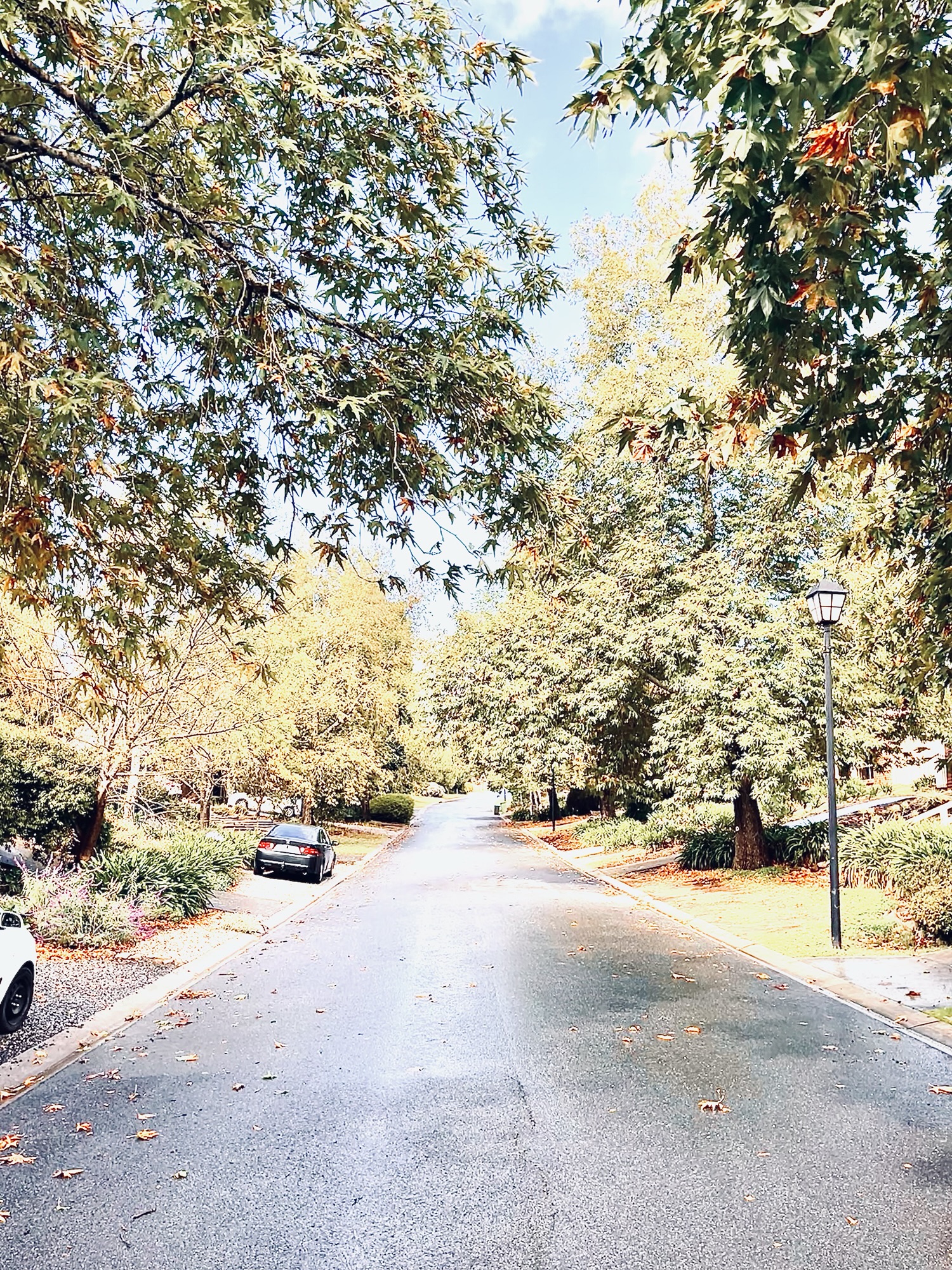
Raison Drive Littlehampton South Australia was my home-patch for 4 5/12 – the bizarrerie of the f_cker !
John Blundell
the genuinine organic fresh & dry person busted by the ALP, the LPA and LUNATIC CENTRISTS no less than 30 years ago and still propertyless, personal assets-freeᵛ & entirely parsimonious – a good day to you (all)
Immediate Reform of 25,000 universities retiring rhetoricians, psycho-babblers, polemicists and misanthropes
Immediate introduction to all other educational facilities and publicly funded or ‘tax-breaked’ human SERVICES of the new Neurocognitive Health and 2 to 5 set series quantum relations logic
The prosecution of all major organised crime operatives, ‘godfathers’ and THEIR politicians in congresses and governments
^prowed, prahu’ ed or contumaceously proud owner of about $1,200 worth of household stuff & B through D lit books (libraries & all business records stolen 17/4/1998, 1/7/1999 and in the first two decades of the 21st C when i apparently ‘belonged’ to cops and gangsters in a remote rural town yeehaarghghghghgh)