The below from November 10 I have not as yet published as the content – touching on the chalk-screeching-on-blackboard, aluminium-electrolysis-metal-amalgam-dental-fillings narcissist-careerist – hey look at me/ look at me/ l.. – politically-, historically-, economically, LARGELY ecologically-ignorant and certainly energy-, geophysics- atmospheric science- and Weather Systems-ignorant influencers, professors of “social computing” (sic) and @TikTok @X @Meta @Instagram ET-SET-ERA airtime-thieves WHO JIBBER ON ABOUT the ENSO and NEVER ANSWER THEIR READERS’ QUESTIONS, ENGAGE, OR BUILD RELATIONSHIP AT ALL and are clearly HOSTILE to liberal democratic process, opposed to voices other than their own being heard from any Lyndon Larouche citizen-initiated furball or Public Square presentation, display, meme or Show & Tell – is turgid: vacuous, sycophantic. dull, boring & psycho-culturally bereft.
To my mind, as apparently the only serious McLuhanite scholar left on Earth, public presentations that have nothing to say about human purposes, process, context and culture – about just what it is we might DO after we’ve sounded off (and now with the Social Universe Psychosis semi-robotised and therefore in full horrific bloom EVEN GOTTEN PAID for our blurtings and squirtings) are toxic.
The foregoing was not a rhetorical statement. Be warned in time, people, and take immediate corrective action because the lives health, and happiness of all depend on your (as my) recommendations NOT your protestations or horrors like the Israel Defence Forces, Mossad and Shin Bet (‘the General Security Service’; Arabic: جهاز الأمن العام, romanized: jihāz al’amn al`ami), better known by the acronym Shabak (Hebrew: שב״כ; IPA: [ʃaˈbak]) MANAGEMENT of Hamas.
· قطاع غزة
For comprehensive clarity – that way we all thrive if we can – here’s the Nov 10 input I’ve held back till now..
John Kerry
BREAKING NEWS: Prominent climate activist, with large following, removed from this platform without – it would seem – any explanation. Zoe Cohen is missing. Please help bring her back.
She has, if I recall, a folllowing of some 30,000 people, reflective of her tireless efforts as a peaceful protestor to bring the perils of climate change and the need for urgent action to the attention of more people.
I am honoured that Zoe is speaking on our panel for the next PTRC Fireside Chat I am chairing on 16 November which addresses climate action. When I posted on Monday about this event and went to tag Zoe, I couldn’t find her. She had vanished from LinkedIn. How could this be?
I have since been in touch with Zoe and learnt the following.
When she tried to use LinkedIn on Sunday, she couldn’t get access and got a page saying “Your account has been temporarily restricted as a precaution” and asking for her to verify who she was by uploading ID.
She was cautious of this in case of some sort of scam so did a bit of research before reluctantly uploading an image of her passport, hoping this would unlock her account. But actually all that happened was that she received an email from LinkedIn Customer Support saying the following:
“We’ve deemed the activity in your account in violation of the LinkedIn User Agreement and Professional Community Policies. Your appeal has been denied and your account has been restricted permanently.”
Zoe is currently in a DM conversation with LinkedIn via Twitter. She has asked if others might be happy to post about this “as I have no voice or presence on there now”.
I follow(ed) Zoe – I find/found her posts informative, thought provoking and vitally important in relation to climate literacy and news about climate change developments and climate action efforts. I do not recall anything in her many posts and shares that I would have classed as problematic and warranting being permanently silenced. I find this development extremely alarming, raising questions about freedom of speech in a fragile era for humanity when populism and suppression seem to have become real threats.
If you support Zoe can you please share this to signal your concern that she has gone missing. If you have any direct experience of account suspension and how to constructively resolve any misunderstandings in relation to this important professional platform please share this in comments below. If you are uncomfortable sharing anything publicly, please direct message me and I will pass information on to Zoe.
From Glenn Lyons with our thanks, for the many of us long term Zoe Cohen readers.
Yarda yarda, young people.
..everyone else is either asleep or feverishly enthused about upper middle class or bored lonely low income people’s chatter – @GretaThunberg blah – about repressive censorship versus the new thing in their symmetrically-arrayed infinitely orderly 1950s Randian Italian ruling class renaissance adventurer heroic explorer-scientist maiden-deflowerer billionaire Warrior Prince (randy, yeah: threesomes with Alan Greenspan and Nat Branden – strange to tell, he was a pop psychologist) “world,” the Manhattan Object Relations Psychiatry Misinformation Industrial Complex..
Kellyanne Conway, Senior Counselor to the President in the administration of Donald Trump from 2017 to 2020
John Blundell
History, Economy, Sociology, Human Health, Neurolinguistics, 2-5 Set Quantum Mathematics, Philosophy of Science
Idea! Let’s massively expand the storage of literature and science data that we’ve already exponentially expanded every year, notionally since the year 2001 – the maths and statistics of this are utterly irrelevant to intelligent human enquiry – and deliver Alpha Growth – because all the banks, central banks, global investment, accountancy & finance houses the international fiscal monetary & financial authorities slaver, drool and disporting themselves into spontaneous public masturbatory display so relish and revel in it.
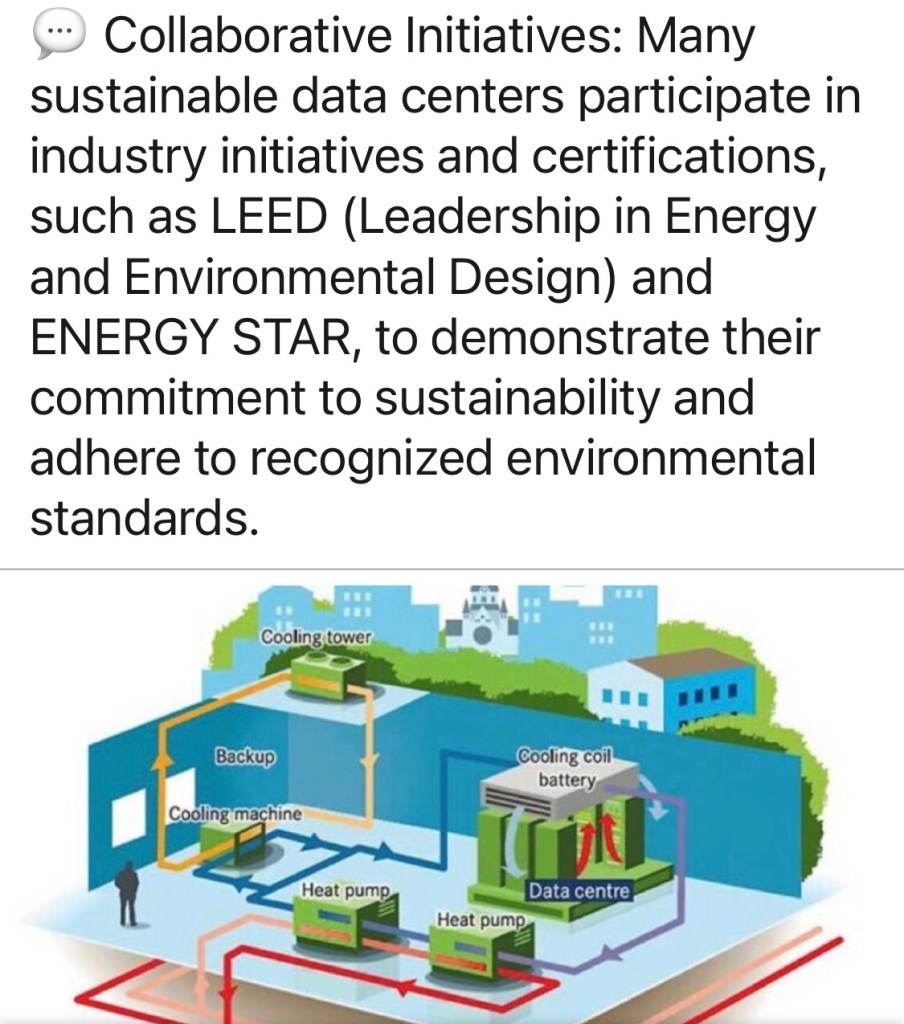
🤔 🌱 Are Sustainable Data Centers the Future of Tech? 🌍💻
Sustainable data centers are facilities designed and operated with a focus on minimizing their environmental impact while maximizing energy efficiency and resource conservation. These data centers employ various eco-friendly practices and technologies to reduce their carbon footprint, conserve energy, and promote environmental sustainability. Here are some key aspects of sustainable data centers:
💻 Energy Efficiency: Sustainable data centers prioritize energy-efficient technologies and practices. This includes using energy-efficient servers and IT equipment, implementing advanced cooling systems, and optimizing the layout of servers to improve airflow and reduce energy consumption.
⚡️ Renewable Energy Sources: Sustainable data centers often rely on renewable energy sources such as solar, wind, or hydroelectric power to meet their energy needs. By using clean energy, these facilities significantly reduce their reliance on fossil fuels and decrease greenhouse gas emissions.
🌱 Cooling Systems: Cooling is a major component of a data center’s energy consumption. Sustainable data centers employ advanced cooling techniques, like hot aisle/cold aisle containment, and may use outside air or water-based cooling systems to minimize energy usage for temperature regulation.
♻️ Waste Management: Sustainable data centers focus on reducing, reusing, and recycling waste materials, including electronic waste (e-waste). They implement responsible e-waste disposal practices and may refurbish or recycle old IT equipment to minimize environmental impact.
🌱 Data Center Design: The physical design of sustainable data centers emphasizes energy efficiency. This can include the use of energy-efficient building materials, strategic placement to utilize natural light, and the integration of green spaces or living roofs to promote natural insulation.
💻 Monitoring and Optimization: Sustainable data centers use sophisticated monitoring systems to track energy usage, temperature levels, and other variables. This data is analyzed to identify inefficiencies and optimize operations, ensuring that resources are used efficiently.
My readership is my future life, health and happiness in a fractured neoliberal state where successive governments, in the terms of now utterly ludicrous 1950s political-party Bosses v Workers + Workers v Bosses foundational beliefs or ‘Narratives’ are literally generating new waves of trauma and suicide, essentially on behalf of Christian fundamentalist craziness about the unworthiness of low income people.
Then quite suddenly two to three billion users of personal computers and computer phones have turned around and are emotionally distressed if not shattered to find their @GoogleAI searches now generate story-telling dualist blather that is radically disconnected from environment, society, culture, knowledge and their own life experience, with the “science” 50% reductionist Ayn Rand/ Alan Greenspan/ Nathaniel Branden 1950s Manhattan triumphalist junk.
Some questions here
John Blundell
Economics, Regenerative Permanent Ecological Food & Fibre Production, Land Waterway & Ocean Management, Human Health, Neurolinguistics and Philosophy of Science
Australia – what’s left of the thing after seventeen months of rabid neoliberal ‘administration.’
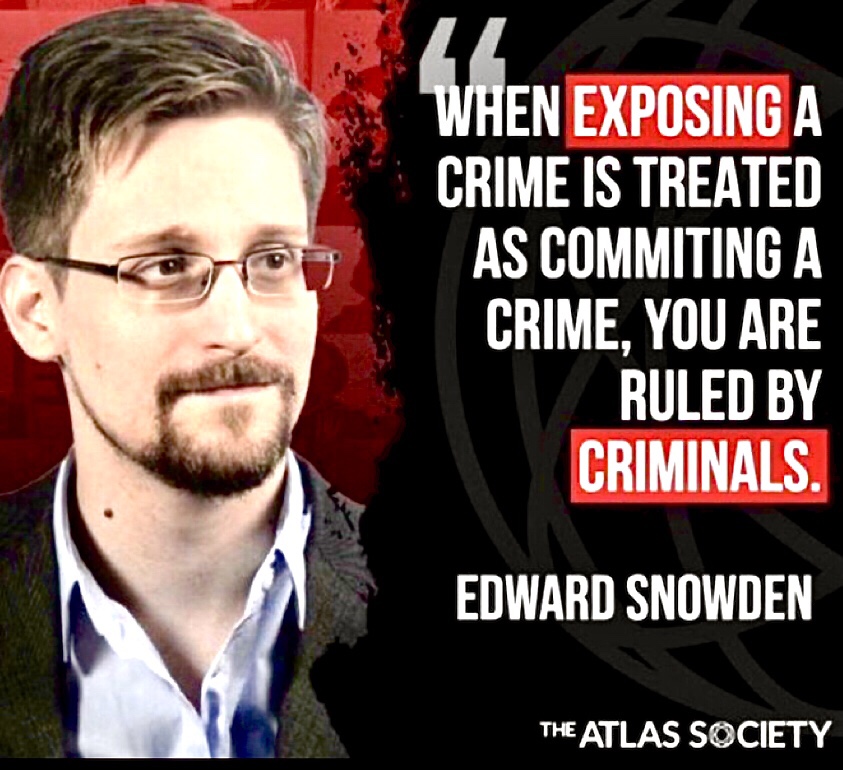
Ed Snowden, ex NSA & the neo-absurdist paranoid bellicose unrepentantly globally hegemonic Five Eyes global surveillance programs, many [read ALL] run with the cooperation of telecommunication companies
“>>Erin Roberts on @LinkedIn ‘If you’re so convinced that adaptation is a nefarious plot,’ this man wrote of me.. His sarcasm and political class hubris appear to know few bounds. I think I’ve been mansplained.. it’s rather amusing but as we expect when defensiveness turns to condescending advices and rubbishing NOT AT ALL FUNNY Tell me how the global initiator of the authentic and permanent Green Economics after GH Brundtland’s work and the rising public awareness of human health vis à vis active non toxic chemical non methane fertiliser responsible environmental management in the 1980s could conceivably team up with neofascists? ‘Further, I lost everything and very nearly got wasted because my political and electoral inputs caused both of Australia’s major party groupings – NOW À PROPOS RECOGNISED BY THE POLITICAL LEFT WORLDWIDE AS IDEOLOGICALLY NEOFASCIST – to attack and defraud me. I spent 14 years in virtual exile in my own land. By my own reckoning I’ve only fully recovered from plainly Post Traumatic Shock Disorder grief and loss of confidence in the last 5 years (the fraud occurred 1995-9).’
Re RK anyone talking about adaptation & resilience in 2023 w/o flatly demanding the immediate an extensive wind-back of fossil fuel burning is indeed a fraud.
Africa, the greenwash elites and junketeers, the world’s new Billion-dollar Apple, Microsoft, Google & Stephen John Bannon chatterati propound, exclaim and publish❗️
Any thoughts on Eskom – a Bill Gates early 20-teens enthusiasm?
Pichai Sundararajan (born June 10, 1972[3][4][5]), better known as Sundar Pichai
John BLUNDELL
Energy
Human Health
Ex 1999 Rigorous Human Discourse 5 factor macro Quantum Ma-thematics
2018 -23 micro or individual adult cognitive peak- functioning Neurolinguistics
Philosophy of Science
Australia – what’s left of the thing after seventeen more months of rabid neoliberal ‘administration.’
“…The reality is that even boosted by momentum and tipping points, we still need to keep pulling policy levers to eliminate fossil fuels from our energy systems.”
Thanks for posting this Ketan Joshi the world is in your debt as a diligent energy, Global Heating & Atmospheric Science educator.1
But what I have to say here at this historic moment is not a quibble or a pleasantry in a world whose enitire newsmedia remain captive to the delusional Oil Economy publicists,’ Tik Tockers, organised crime operatives’ and full-blown narcissist-sociopath-shills’ deceit of tamely-named seasonal/ Jolly Tourism Megabucks/ Birthdays Christmases & Easter/ throw in Duwali and Ramadan… et set ERA “Climate Change:” it is crucial we absolutely stop using this absurd Malcolm Gladwell term ‘tipping point.’
He was essentially an upper middle class largely white-skinned (20th century Episcopalian or Church of England Church) euphemistic Caucasian – our magnanimous though squeamish if not not completely phoney social inclusion term for those rather grubby Slavic people ok?) audience social chit-chat columnist at The Atlantic, the term borrowed from nature to dscr what happens when you suddenly get a lot more likes and little love-hearts on your definitionally asocial opinionista communications media account – where the world’s “influencers” never even read the responses or pleas for sanity their pronouncements bring forth from us, their damn fool audience and source of enrichment.
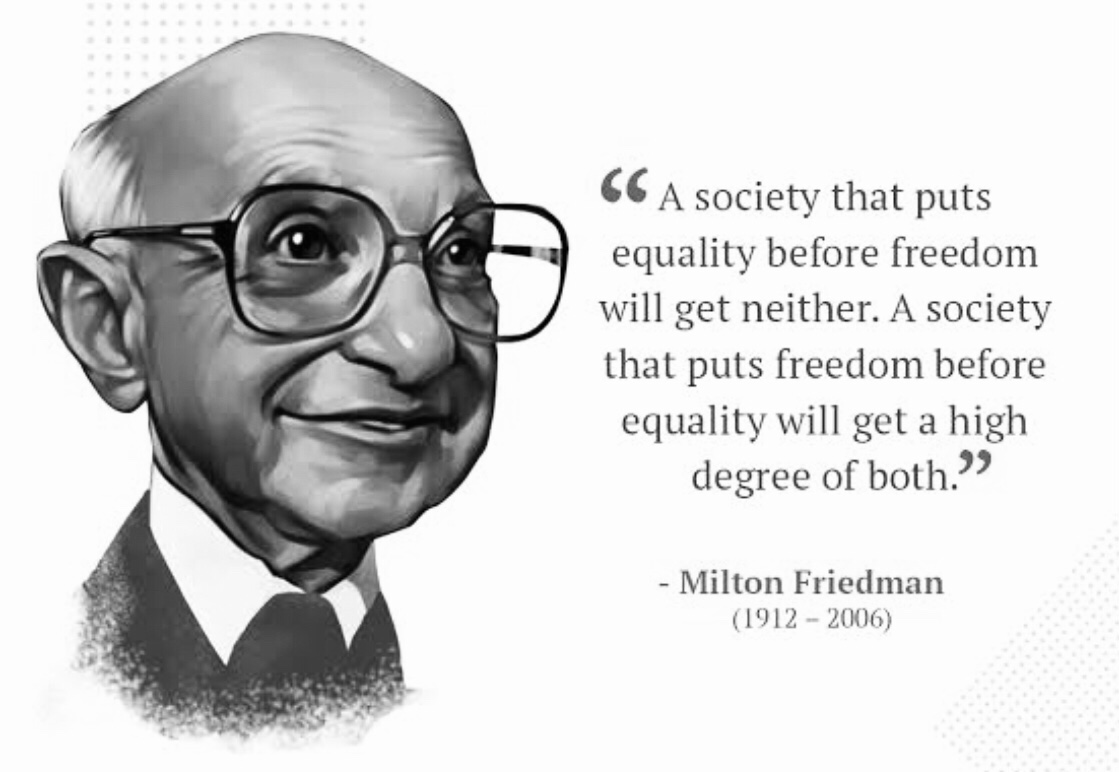
So the literate-articulate nether-world – that hateful ruling caste F Scott Fitzgerald/ HG Wells/ Bertrand Russel/ Ernest Hemingway/ Milton Friedman/ Mike Johnson narcissistic personal-display represented world, their fictive fancifiul Pythagorean symmetyrical universe AND their symmetrical Centre-circle 8 ‘price-of-money’ derivatives-markets’ gross-accumulators’ vis a vis immiseration ‘glow-ball’ economy, embraced yet more, and more, psychotically misleading MECHANISTIC or grossly incongruous anthropocentric breakfast-television terms, for example “boiling seas” – the Secretary General of the @UN – who this week regales the sentient middle-class and rich white people’s world with the fantastical if not completely psychotic children’s story-telling line of exploding hot c… that Antarctica is a ‘Sleeping Giant’ – which turns out to have come from Petteri Taalas, Secretary-general of the World Meteorological Organisation (on “April Fools'” Day 2022)1 (2) inveterate socialist-conversationist whatever fella George Monbiot’s tittering or frittering, was it, yesterday, or (3) generally & generically, terms derived from nature and/ or lived experience, and equally psychotic: meaning denying reality AND re-engineering nature mentally as contrarian, post-fact, alternative fact,1 postmodern or post-truth frogs’ droppings.2,3
A @McKinsey Graphic Prepared for CoP 26 Glasgow Scotland Nov 2021
My usage as a global heating educator from Day One has been ‘excessive solar radiation’ – XS🌞
..this MACRO XS🌞was coupled with the MICRO Severe & Extreme Unseasonal Weather-events
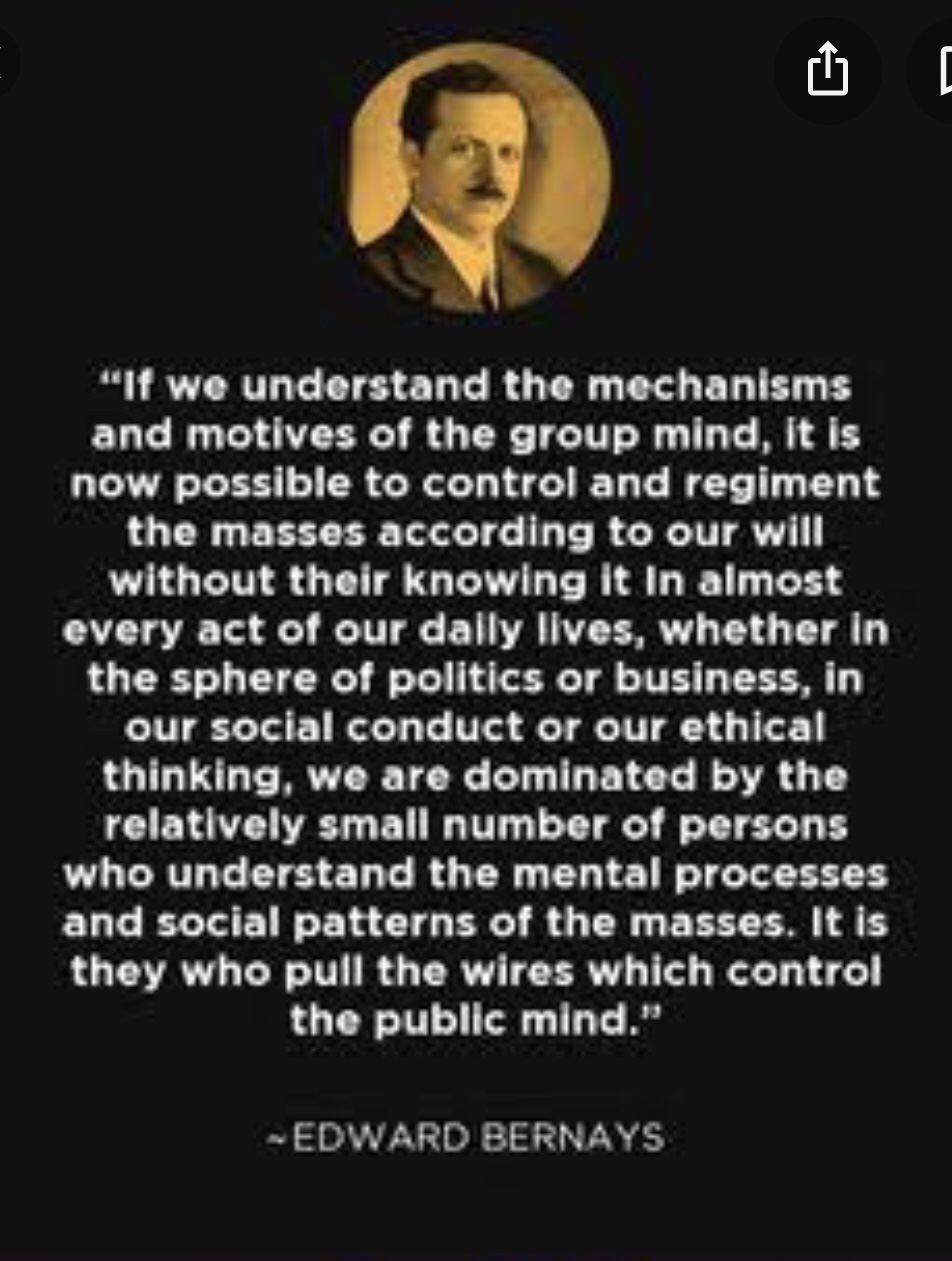
Turned to utter trash first by corrupt 20th century politicians4 and now for at least 7 years Large Language Model public relations manipulation that would make 1950s Manhattan madmen Edward Bernays and Alan Greenspan shake their heads in dismay.
Language a well cared-for 7 year-old child can grasp? No, there’s now $3-400 billion a year in obfuscation, minimisation and propaganda expressly engineered by the cabal to radically mentally disconnect from nature and each other, to dumb-down and to de-skill the entire human population for business profit. – It was You-can’t-argue-with-the-market John Kenneth Galbraith said repeatedly in 1993 not ‘Let it rip.’
Hello Mum – the crims, notably my own two daughters, didn’t even tell me for a year this woman had died – why did you and my little brother defraud me of $0.5 million and nearly get me killed? Some vanity project that one. – And it saw my beloved wife dead at 52. Wah-ra.
And no, no, you greenie fool, the “reptilian” brain STEM numpties cried, intent on taking the whole of humanity to the Bugs Bunny cartoon collision rendering the represented 🐇’s body flat – or about 5cm thick before he, ever resilient,and adaptational; bounced back & got on with the show.
The all-new 21st Century anti Mechanomorphics anti Phrenology anti Heath Robinson Machine anti Bogus Science Neurolinguistics, Five-set Logic,5 Philosophy of Science
2 inspired by an image all working-class and middle-class men, women, teenagers, primary-schoolers and little kids in front of tele-vision screens had seared into their imagination-memories in the early 20-teens, the collapse of the Patagonia ice cliffs – oh 👀 a tipping-point? Lego-tiles?? What the actual f… ever!!
3 “..It came from a lab, and not, say, “a pangolin kissing a turtle” or a group of feisty bats in a market. “I think we owe a great debt of gratitude to #Science,” he explained.. – Jon Stewart 15th June 2021
4 ..how might you have felt as an economic reformer since the theoretical underpinning of CCEc as a sharply differentiated 9 level functional geo-locational model from individual adult out to World in 1995 when an exuberant prime minister in your own damned country seized upon your term Direct Action (replacement of FF burning for industrial, commercial neighbourhood and household energy production) and proclaimed it as the Australian version of the Bill Gates 1729 Northern England Stephenson’s Rocket industrial revolution which morphed to Scott John Morrison’s infamous Let Them Eat Coal display in the National Palace of Fools HALF A DECADE LATER?
5 Authentic non-Julius Sumner-Miller non Bill Nye the Science Guy non Robyn Williams non Australian Broadcasting Corporation non Dr Sheldon Cooper non Micky Mouse non Donald Duck non Australian Chief Scientist’s Office non https://csiro.us non Australian Academy of Science 2 – 5 Set/ 1 – 4 cjr Quantum Relations Logic
Yes we are angry – the United States of America by sagely otherising & alienating China and playing South Asia, Africa, South America and Europe for fools for their fun and profit for 78 years has delivered an end of times
..but so do the broad mass of the people who have had it to the back teeth with frankly feeble-minded politicians of all advertising and public relation agency brands dementedly and psychotically increasingly out of touch with each other of their societal-parasite chambers and board-rooms politburo, global finance, investment & organised crime cabal fellows, the entire rest of humanity and every non-human1 living creature or organism on Earth lying and dissembling.
It is my privilege, to be empowered and enabled – my late 1990’s United Nations Capacity-building efforts have powerfully borne ‘fruit,‘ which is ironicbecause all I want politically is my orchards these evil men and women – cops, the Australian Taxation Office and fruitloop hateful twentith century politicians, stole and trashed, back – to re-print and publish Louise Eliot’s words on The Voice referendum – because its larger than 280 letters, numbers & conjunctors – I’ll take any opportunity to advertise my computer-science wares and Glyph is a 20th C dumbarse objectifying term which DOES NOT FIT with the authentic quantum logic of the ideational human mind – people would tend to overlook the back – call that Bottom – end of this apt succinct realpolitik1 – I’d call it that, searching as ever for terms that persuade and inspire, not ‘lead forth’ by the nose, or promise reward or grief, adults as vehemently fiercely even violently againstthe Post World War II ‘Rand-span’ Object Relations psychiatry, consumer-society vomit we spray on our kids and at each other 24/7/52 as I am – document.
The reasons the VOICE failed so badly are many and varied…. but they shouldn’t come as a surprise. – The concept itself was fundamentally flawed. It created two groups of people in our Constitution. Aboriginal and Torres Strait Islander peoples who have a vote AND a Constitutionally enshrined ‘advisory group’, then everyone else who only had a vote. Australia is a very egalitarian society, and the proposal conflicted with that. – The argument that Aboriginal and Torres Strait Islander people are a minority didn’t stack up – we have lots of minority groups and lots of people of all backgrounds who desperately need help too. – The PM’s words were misleading from the start. It wasn’t only “recognition”, it was much more than that. And it wasn’t “modest”. – Most people didn’t believe it would fix things, or even notably improve outcomes for indiginious communities. Even the PM said it “might” make a difference for Aboriginal and Torres Strait Islander people – hardly confidence inducing! The likelihood of it delivering great results would have to have been very high to warrant forgoing our ‘everyone is equal’ outlook. – The banks, airlines, and sporting codes coming on board did not go down well….. people want their banks, airlines and sporting codes to focus on shareholder return, service, and winning games. Not lecturing and virtue signalling. People were being pressured by employers who had adopted a ‘Yes’ position, and no one likes being told what to do. – The timing was completely wrong. A cost of living crisis and we’re blowing $500 million on a referendum??? People are homeless, kids aren’t eating, people are waiting years for surgeries and prices in the supermarket have doubled. – The campaign’s biggest advocates were massive liabilities. The likes of Thomas Mayo with his “pay the rent” and “punishing politicians” and Marcia Langford with the ‘racism’ and ‘stupidity’ claims. And Noel Pearson’s attacks on Senator Jacinta Nampijinpa Price and Nyunggai Warren Mundine AO only pushed more voters towards Jacinta and Warren. – It was cashed up with public and shareholder money. The swathes of Yes promo material only further highlighted how cashed up the campaign was. The location of signs on homes correlated to the inner CBD elite, and it was obvious. People don’t like feeling that they’re being bought. – Many Aboriginal people and groups didn’t want the proposal, and that was obvious. This included the Tasmanian Aboriginal Centre and the Circular Head Aboriginal Corporation. – The Yes side turned the debate into “yes” if you’re a good person, and “no” means you’re a bad, racist, stupid, ignorant person. For obvious reasons, calling people from an ivory tower doesn’t bring people closer. – In the end, the argument for the Voice was that it was the “right thing” to do. Again, passing moral judgment. People were too afraid to be honest and voice uncertainty. There was no discussion as people would be attacked. The campaign also relied on a mantra that it “doesn’t impact me” so what’s the problem? Most Australians think beyond themselves and believe in fairness and equality as principles…. as the numbers show.
“Where are all the great ideas that Voice wanted to implement. Can’t we still get some of it going. Unless it was just about the Power of the constitution”
Tired but happy, me. – Progress is ours. – Next these political class public relations industry headbangers will be slagging us as meliorists, incrementalists and reformists, or at least the ideological dupes and Paper Tigers of those wicked English yoeman farmers who so upset the dude in the Reading Room at the British Musuem. This will be awesome. Party? Am I throwing a party?? Too right!
I’ve not edited this document today – except to add the photo and caption.
I DO however accept that the humble glyph is not dumbarsed and yes, as a mathematical logic and new neuroscience scholar-deviser could have been much less bad tempered and shirty about a non-object that has to spend it’s whole life as a linguistic factotum in the shadow of self-aggrandised @TEDtalks dorks, tits, podcasters, demagogues, coercive Power Over relations depressives and excruciating child actors..
Stick with WC Fields – if any of you are so foolish as to teach children “the word” or the add-an-l world is either their stage or their upper middle income tourist playground then may your God help you to snap out of it fast before they those CHILDREN & TEENAGERS condemn you.
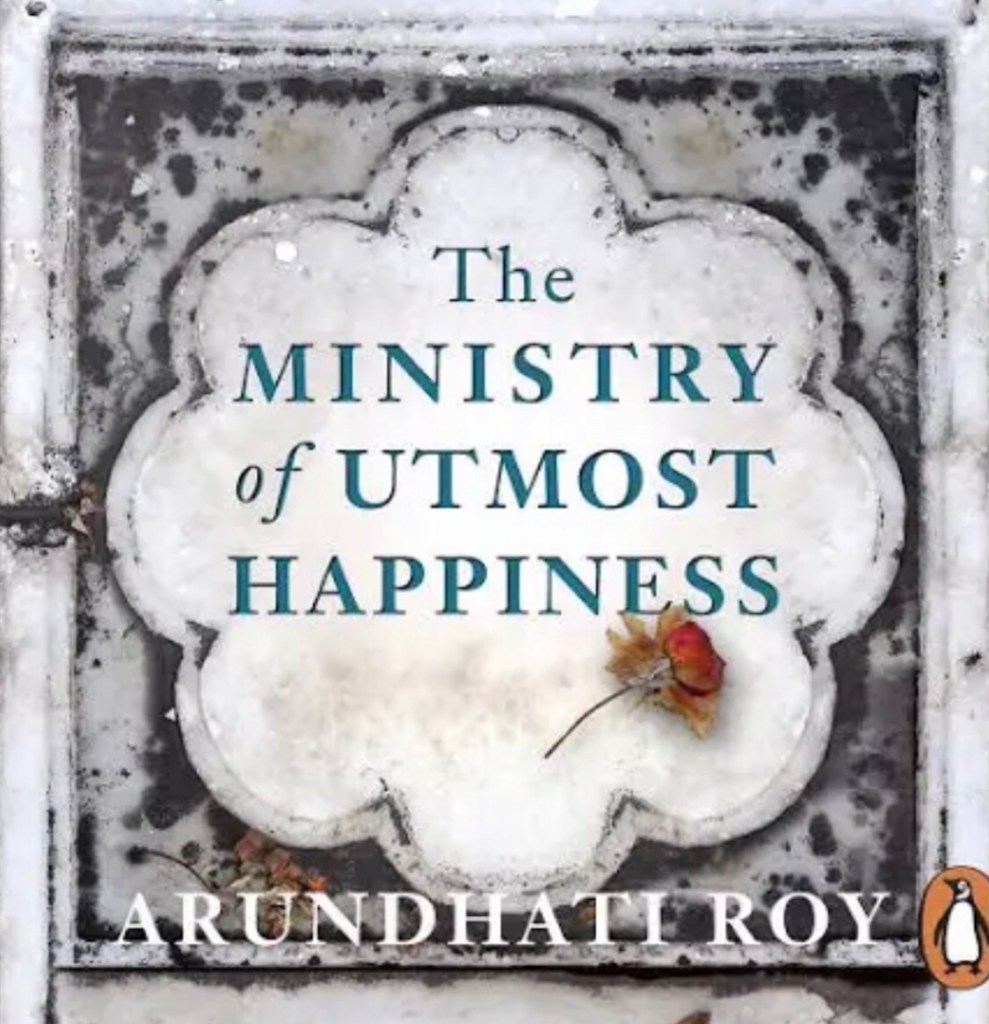
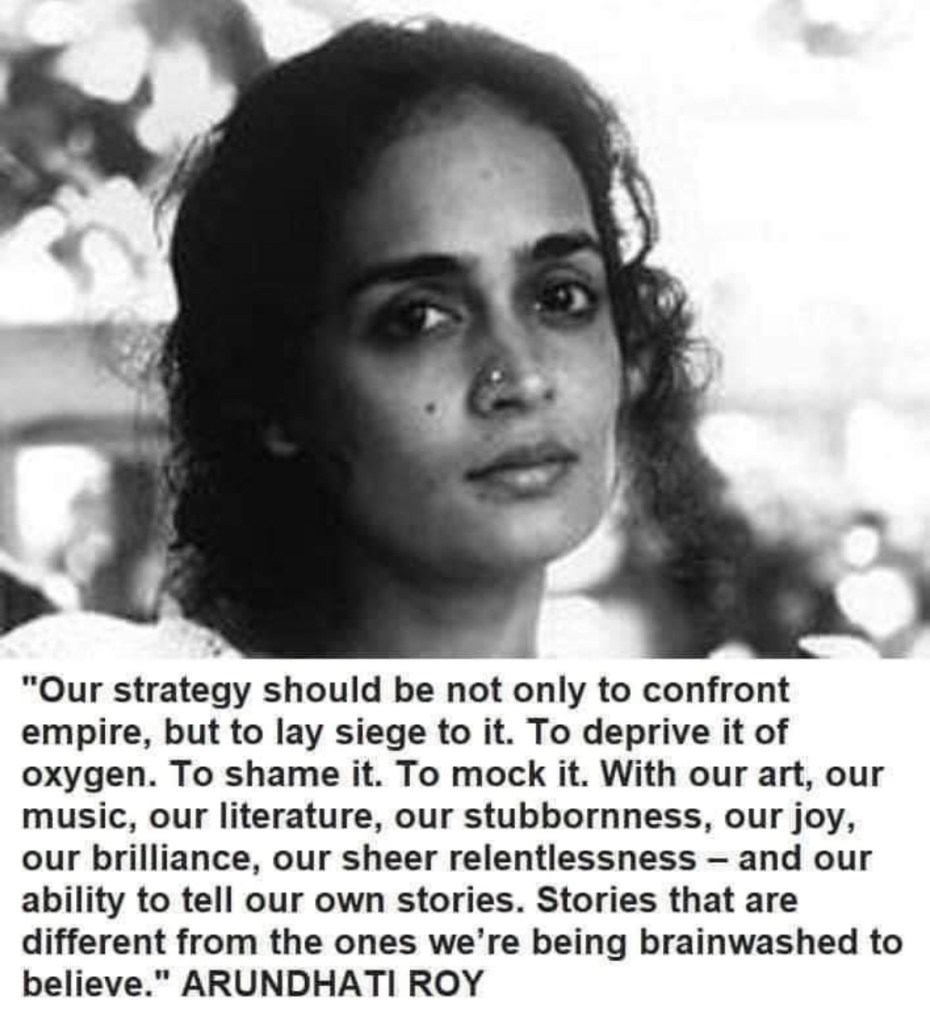
Arundhati Roy Voice for 8 Billion People – it’s an honest job, she would probably c’est.
John Blundell
South Australia 23rd October 2023
1 ..and NON CYBER TROLL I must in my rather dazed and Future-schlocked state add – this Sam Altman & Geoffrey Hinton @Harvard programmed Interweb of Fings global deracination des-killing de-skilling learning mega-scam is ever challenging especially as 90% of the adult public seriously reckons it’s all about robots taking over or not taking over their jobs – endless headbanger gags there. Remind me to ask Waleed Aly and Scott Stephens. Joke, that.
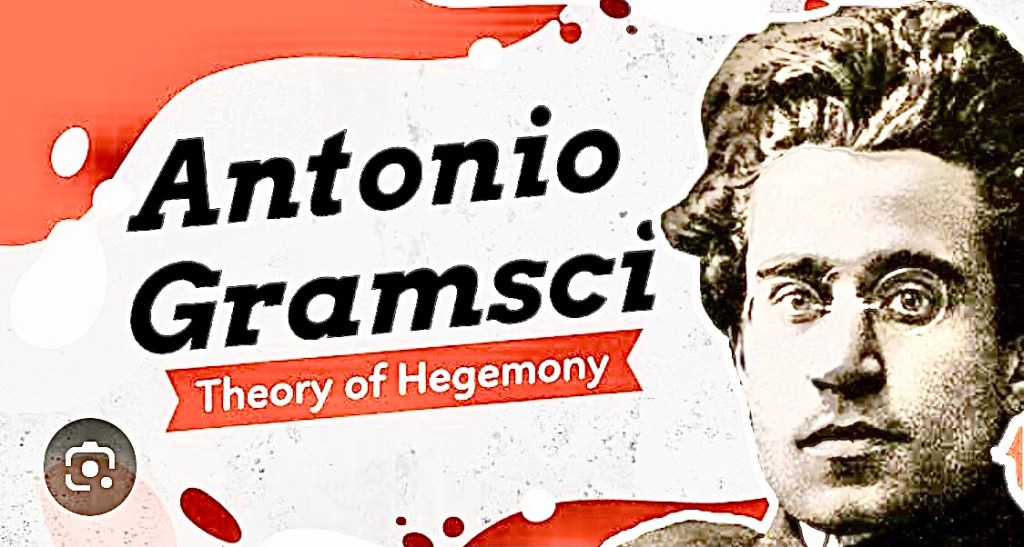
2 .Students of the new hybridised functionalist-structuralist sociology in peace studies – call it Gramscian if you like – sure his relations or descendants would be very happy with that call – can see the difference between realpolitik and raison d’etat as to negotiate, secure, protect, but exclude “foreigners” vis a vis to humiliate, coerce, overwhelm & ethno-culturally, and religiously eradicate formerly sovereign peoples
False Consciousness with LLMs and Persons in Authority Spouting Grossly Irritating Anodyne Nonsense, Cliches, Slogans & NONSCIENCE has become the Face of Apocalyptic Ecological & Human Health Meltdown
*no John, that’s ‘Kept very small by growing it in a little pot & cutting it in a special way’ – go animé 🆗 ?
“Hello Nature readers, Today we read words hidden in Roman scrolls burnt by the ancient eruption of Mount Vesuvius, explore the largest-ever atlas of the human brain and learn how we might melt lunar dust into paving slabs.Simulated Moon dust is melted into slabs of different shapes that could be fitted together to make a paved surface. (PAVER Consortium)
“A beam of concentrated sunlight could melt lunar dust into paving slabs for use in building roads on the Moon. In a laboratory experiment, scientists melted a substance resembling Moon dust with a laser that gives out the same amount of power as an imagined ‘sunlight concentrator’. Roads could provide areas for spacecraft to land or move around without churning up fine Moon dust, which can damage instruments.Nature | 3 min read Reference: Scientific Reports paper
“More than 3,000 cell types — many of them new to science — have been revealed in the largest-ever atlas of human neurons and other brain cells. One team that contributed to the huge project, which involved hundreds of scientists, sequenced the RNA of more than three million cells. Another uncovered links between certain types of brain cell and neuropsychiatric disorders. “This is only the beginning,” says molecular biologist Bing Ren.Nature | 5 min read Reference: 21 papers in Science, Science Advances and Science Translational Medicine
“A 21-year-old undergraduate student has cracked a method for reading charred, unopenable scrolls from the ancient Roman city of Herculaneum. Luke Farritor trained a machine-learning algorithm on fragments of unrolled scrolls, detecting spots where the ink causes a tiny difference in texture. He then analysed closed scrolls that had been penetrated using X-ray computed tomography scans. The breakthrough could unlock the contents of hundreds of never-before-seen writings that were buried by Mount Vesuvius in October AD 79. Nature | 7 min read The first word deciphered is the Greek πορφύρας, meaning ‘purple’ (either the adjective or used as a noun, as in purple cloth or dye). (Vesuvius Challenge)
“Generative artificial intelligence (AI) can radically shorten the time it takes for a potential new drug to reach clinical trials — or so pharmaceutical companies say. “The findings need to be published in the peer-reviewed literature and authenticated by researchers unaffiliated with the companies involved,” argues a Nature editorial. In particular, this means finding a way to share the results pharmaceutical companies tend to keep secret.Nature | 5 min read
“Andrew Robinson’s pick of the top five science books to read this weekincludes an exploration of imagination’s role in science, a “mosaic biography” of Albert Einstein and an important, if depressing, analysis of the world’s return to economic nationalism.Nature | 3 min read
“Kidneys from genetically engineered miniature pigs have been transplanted into monkeys, in one case keeping an animal alive for more than two years. The gene edits helped to prevent the monkeys’ immune systems from attacking the organs, although the animals still had to be treated with immunosuppressive drugs. One day, such xenotransplants could overcome the severe shortage of human organs available for transplantation. “A lot of the researchers I talked to are itching to start human trials,” reporter Max Kozlov tells the Nature Podcast.Nature Podcast | 21 min listen Subscribe to the Nature Podcast on Apple Podcasts, Google Podcasts or Spotify, or use the RSS feed.
“Fruitful robot–human partnerships — like those between NASA scientists and the Mars rovers — reveal a future in which artificial intelligence extends and complements human qualities, rather than replacing people, argues sociologist Janet Vertesi. (The Conversation | 5 min read)
Neurolinguistics, Human Health & Philosophy of Science Australia
Sat 14th October 2023
* I can almost guarantee you will not be able to pull up our source document to any of your screens for reproduction (or replication in the strictly methodical-science sense) which is of course why I have screeenshot & transcribed it in full.. I can also sadly predict that this information reloading will be a function soon denied us by the global neofascist totalitarianism-headed microelectronics synthetic intelligence Cabal and its head-banging MAGA muskovites, Stephen Bannons, Mark Zuckerbergs, Geoff Bezoses & Sundar Pichais and sky🚀🚀🚀s🔭 & armaments psychopaths🇺🇦🇦🇲🇱🇾🇸🇾🇵🇸
Readers will forgive that this essay is jarringly incomplete and a bit of a dissequenced if not discordant jumble1 but I’ll get back to work on it soon.
These are extaordinarily demanding and busy times for professional economics, decarbonisation and social policy writers.
John
The second part of this essay quotes RV Sampson. I gather he was a psychiatrist. These people last century produced some startling cultural historical observations. Who, with a penchant for acid sociology could forget the acerbic Ronald Conway from Melbourne, for one example? He thought we Australians were all rabbits, or bogans were. Had a point, there.. Had the book never read it. There’s been a thousand titles likje that in my life. They get nicked because some fool thinks you may have the Vatican secrets of numerology (I haven’t.. well hang on) and the situation with your doomed book is analogous with the purloined brain of Abert Einstein – some dude, possibly Elon Musk’s grandfather or the Unabomber – put it in his boot (trunk in USA) and drove around the backroads of California before suffering a psycho-affective episode.
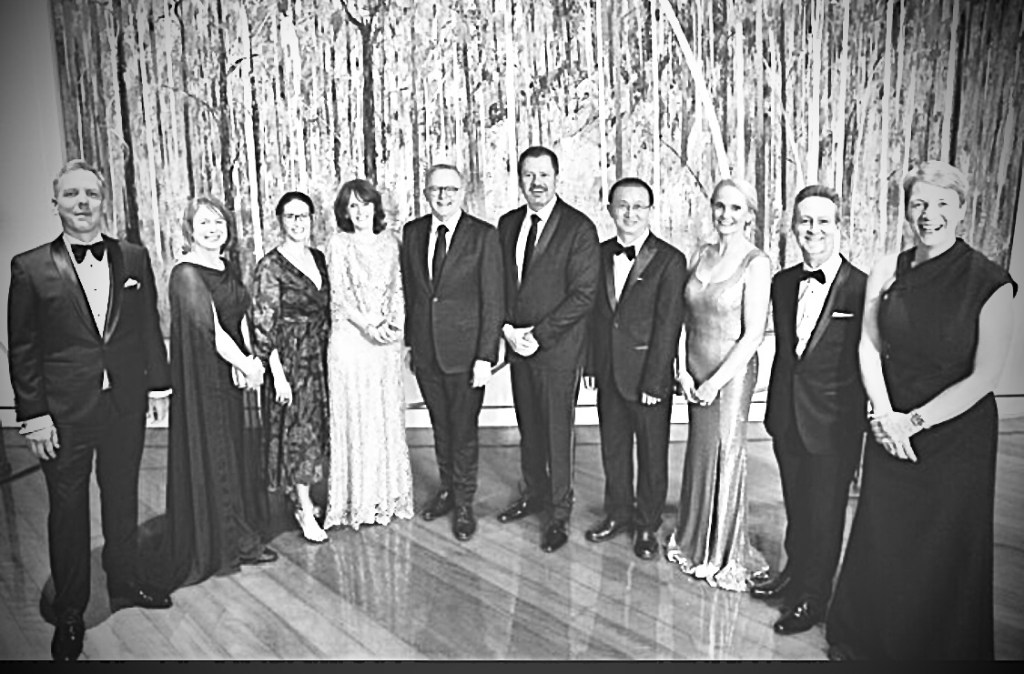
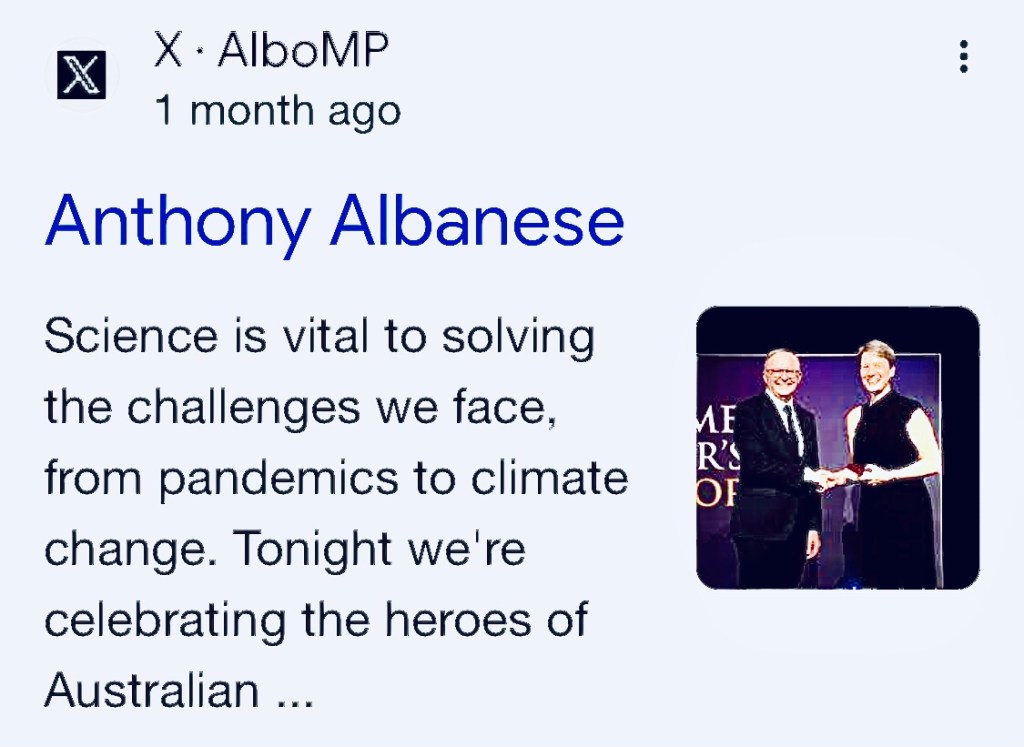
I made that last bit up. The second and concluding part of the essay conveys the message of the Holy Father of the Church of Rome (last warning to the world on the now plainly apocalyptic ramifications of man-made global heating)… Science is vital to solving the challenges we face, from pandemics to climate change. Tonight we’re celebrating the heroes of Australian science. Congratulations to Professor Michelle Simmons AO, winner of the 2023 Prime Minister’s Prize for Science, and all award recipients, some historical blip said.
The third part is three paragraphs anchoring the scientific responsibilty question in the socio-cultural bedrock concerning who the hell we Australians think we are at this pre-apocalyptic historical moment and just when do we fancy we can get down to work for our country and the kids, presently swamped from toddlerhood by the mental health and eating-disorders bomb of performative display suffused with coercion, violation, assault and sex-role stereoptyping. Some of us publicly stated 32 years that the @Nickelodeon thing was destructive. That was a simple case, but the cutesifying and putting on show of litlle kids is in this old social workers’ view reminiscent of the Judy Garland syndrome ‘child star’ mothers’ of last century isexactly in psycho-emotional synchrony with the unstoppable slough of phoney affective empathy for the ageing-and-slowing – the gauche method-acting stuff, high-brow English Anthony Hopkins included. It’s all Dame Edna deceased, Macca the Quacker on Sunday, Margaret Court, Ita Buttrose and Bronwyn Bishop kerosene baths to me. This area of social policy, where Australia is largely turgid, gross and stupored, is another where we’ve SO much to do! I was secretary to the SA Government Enquiry into Nursing Homes & Hostels in the year my dad died, 1986.
The Sampson – he was writing in the early 1960s
If philosophers nowadays must be philosophers’ philosophers, if the whole enterprise is an esoteric affair reflecting the peculiar interests of a tiny group, why should the rest of us care one way or the other? Let them get on with it. It is no concern of ours. A popular attitude of sceptical indifference may reinforce the professional pride of a few, themselves indifferent to popular opinion. This is a mistaken attitude. The role of the philosopher in society is always important. H[-is/ -er] influence, though intangible, permeates society and helps to shape the ideas of people entirely innocent of the original issues. The revolution in modern philosophy has had at least two important consequences.
It has almost certainly had a subtle effect on the respective influence of intellectuals an men [and women] of affairs. A theory of knowledge, validating moral judgments only in the limited sense of attributing to them intelligibility and coherence relative to their culture, is essentially pragmatic. Tests of value are pragmatic judgments governed by the facts. The facts are determined by the existing order of society:> the judgments by the theoretical framework underpinning the existing social order. To question that framework involves an alternative metaphysic. But since this debate has been discredited as logically bogus, the terms of political debate are restricted to the assumptions of the existing order. These have ‘reality’ status and constitute the essence of the pragmatic appeal. Me [and women] of action generally, when confronted by theories repugnant to them, are very ready in the absence of alternative argument to dismiss theory that is critical of their assumptions as mere theory as contrasted with something they call experience. In this sense, businessmen together with their military, political and ecclesiastical ancillaries create a conservative climate of opinion in which the theorising of the intellectual is at a discount. The world of getting and spending is inevitably fashioned in the image of those who get and spend. It can only be effectively criticised in the light of theory deriving from something other than the ad hoc experience of the commercial world. Intellectual theorising is liable to be regarded with distrust as something alien, threatening established power or acquisitive instincts. Theory as such may be condemned in advance as unpractical or the practice of an armchair critic..
“Copernicus did not dare publish his heliocentric theory until the year of his death; Giordano Bruno was burned at the stake; Galileo was compelled to retract the Copernican hypothesis. If our time [written 58 years ago,by RV Sampson] has seen the growth of a more tolerant climate, the scurrilous vituperation that greeted the discoveries of Darwin and Freud belong only to yesterday. When the object of investigation is the human being himself, resistance may be expected to be even more virulent than in the case of the physical world. “It is easy,” wrote Tolstoy in Kreutzer Sonata, to learn whether there is much iron in the sun, and what other metals there are in the sun and the stars; but it is hard, yes, frightfully hard, to discover that which convicts us of immorality.” But even more elemental and pervasive than the emotional resistance to truth deriving from the need to feel moral is the need not to appear different. The psychic pressure towards uniformity – what used to be referred to as the ‘herd instinct’ – stems from the basic emotions of insecuritygrinch. Contemporary sociological investigations have provided very strong empirical confirmation of the thesis so vividly embodied in Hans Christian Andersen in his story, The Emporer’s Clothes. Frighteningly large numbers of people will apparently deny even the elementary evidence of their senses rather than risk appearing to take a lone or unpopular stand. Even in the scientific world, persistence in advocacy of a hypothesis rejected by a majority of professional colleagues requires courage. But the difficulty goes deeper than that. The pressure exercised by a uniform, received opinion may be so overwhelming that no individual may be capable of emancipating himself sufficiently from a common delusion to bring his critical faculties to bear. The idea with which to challenge existing assumptions is prevented by unconscious resistance or defect of imagination from even arising in the mind..”
Culture What Culture1
Our Aristotelian mission (to find out the existing means of persuasion, where a well-founded, methodically presented, logically coherent or soundly-argued proposition is presented in terms of the scientific norms and conventions of the day) may be thwarted by erroneous belief, by want of imagination or by lack of enthusiasm for the innovative proposition presented, perhaps not in fact even recognising it to be of legitimate academic, professional or personal concern and quite possibly, if these attitudes are on display, moral or mental laziness, defensiveness or even ‘pre-retirement’ fatigue and ennui.
It must be noted that in upper income or ‘managerial class’ Australia and the USA there is a norm to the effect that individuals in positions of authority & responsibility who are clearly neuro-cognitively slowing-down and must try to deal quickly, fairly and judiciously with personnel & technical issues arising amongst staff and suppliers, including many of those unheard of in their earlier lives as for example par excellence in frankly puzzled if not light-headed technophile Australia, affecting people of all ages, of course, especially the vulnerable deskilled young, the questions What are #ChatGPT, @AIOnlineStore or #LLMs are greeted with cheerful replies to the effect that they help people write stuff: creative arts who needs ’em in this zany post-fact, post truth wherever they can swing it – advertising and promotions dollars, government grants sure – big aeroplane rides world of theirs – should be allowed, no encouraged, to work until they drop off their perches.
My mother was Lois Blundell a nursing home owner whose brother said the above of her in response to my plea to him to help me persuade “the Matron” to retire before she killed herself or one of the residents of Warwick Nursing Home, Unley SA – “No, she’ll go until she drops off her perch,” he said, with an obvious snarl. The woman when she was around 75, an employer with a 2 1/2 inches thick abuse-of-staff compaints file (her first-born, me, a state union branch secretary and president 1980 to 1985) at the Nurses Board and was a well known SA Employers Federation later Business SA “dragon” was ‘spotted coming’ by both the ALP and the LPA in Adelaide who sought to punish me for embarrassing them electorally in May 1992, so the Dean Brown government abolished the Nurses Board and this utter moral grub with my younger brother contrived to defraud me of $500,000 of property – the lot, my vertically integrated businesses in the organics industry, my home, marriage and ex-family relationships. My total assets to this day are some $2,000. But i am, luckily, a total kick-arse politician of the as yet unelected variety and an internationally known scholar, so that’s fine. You would all have noticed there is so much intelligent and decisive work to do. Australia’s become, in the 27 years since the suburban Methodist lawyer, a Westfield full of imported junk thats being replaced by online shopping & bank account fraud on behalf of old folks’ investment and pension funds in North America or some shit. We’ve still got a fat and shiny Lend Lease Corporation. It’s a joke, Joyce. Eight million of us are in housing poverty and the environment is a unwatchable television panel show debating point, so it’s kind-of cool that the #Climate #Wars are, er, over. Ooooowhhheee, kids.
John Blundell
Neurolinguistics, Economy, Sociology, Energy Studies, Weather Systems & Philosophy of Science
Australia 19/10/2023
1 ..alarmingly congruent with national affairs in Australia this morning Thursday 19th October 2023 as exemplified by the following two conversational linguistic atrocities – definitional malicious genocidal @Facebook mis-information – Clare O’Neil, Australian minister of Home Affairs does not dismiss emphatically the suggestion that Ed Husic, Minister of Science.. wants the colours of the Palestinian flag displayed on the roof of the Sydney Opera House + a tergiversatorial – look it up – I just did – it’s a scream – ideological NO-REGULATION neoliberal polemicist on the country’s premier conversational radio ‘octopus,’ Radio Diddly Squat I as a sociologist called it 26 years ago, my life & business smashed by gangsters and cops, says “if we stopped using paper and eating meat today,” [would that help?]
2 Culture, what is that? Literacy, articulacy, professional-standard journalism not reading mind-numbing Switch-me-off bags of cliches and political slogans approved by @Harvard – Princeton – Standord – Yale – UCLA – MIT – Boundary Bend Indiana for Christ’s Sake – @GoldmanSachs.. Schwab, Soros, the Koch Brother (?), Sarah Palin, Kellyanne Conway, Sarah Huckabee Sanders, @RepMTG, Donald Take-a-dump, Stepen Bannon, Mark Zuckerberg and to cap all that in the Skip domain the ludicrous so-called BIG 4 who actually take care of the business of government @KPMG @PwC Ernst & Young and the estimable if doughty @Deloitte, more communications-crunchy (by a fine margin of one @X account) > than Bloomberg
What began innocently enough with vapid vanity podcasts produced by bored affluent under 30s with careers as “influencers” in newsmedia, music or movies in mind has now imploded, splurged & spattered into all of our lives with a ludicrous and frankly UNLISTENABLE flood & orgy (beat that) of psychobabbling excerpts from Twentieth Century song, film & news bulletins: artificial disintelligence.
Although I am a professional 12/7/52 journalist – yes kiddies independent and unpaid and (gulp) not formally qualified – one of the hallmarks genuine historians of human culture repeatedly have noted, down the ages, is bullying coercive authoritarianism – so thanks, you idiots, Sergeant Plods, David Andersons and whoever might be “running” SBS, you may go now – I have not for three months listened to more than a minute at a time of radio or television news or news commentary produced in Australia. This puts a new light on junk time.1
We are a society so taken with getting and spending that we appear to have forgotten to analyse ourselves or reflect on.. well, anything. To be brash discursive dismissive and.. well, mouth off at, other countries, other people, other ethnicities, other philosophical persuasions and, why the hell not, other skin-tones andthe other primary gender as well are us.
I was listening to a cloying turgid kiddie chat from Boston last night purportedly about AI..Oh the poor old benighted You You You Essay – NO, Little Machine, not be-knighted..
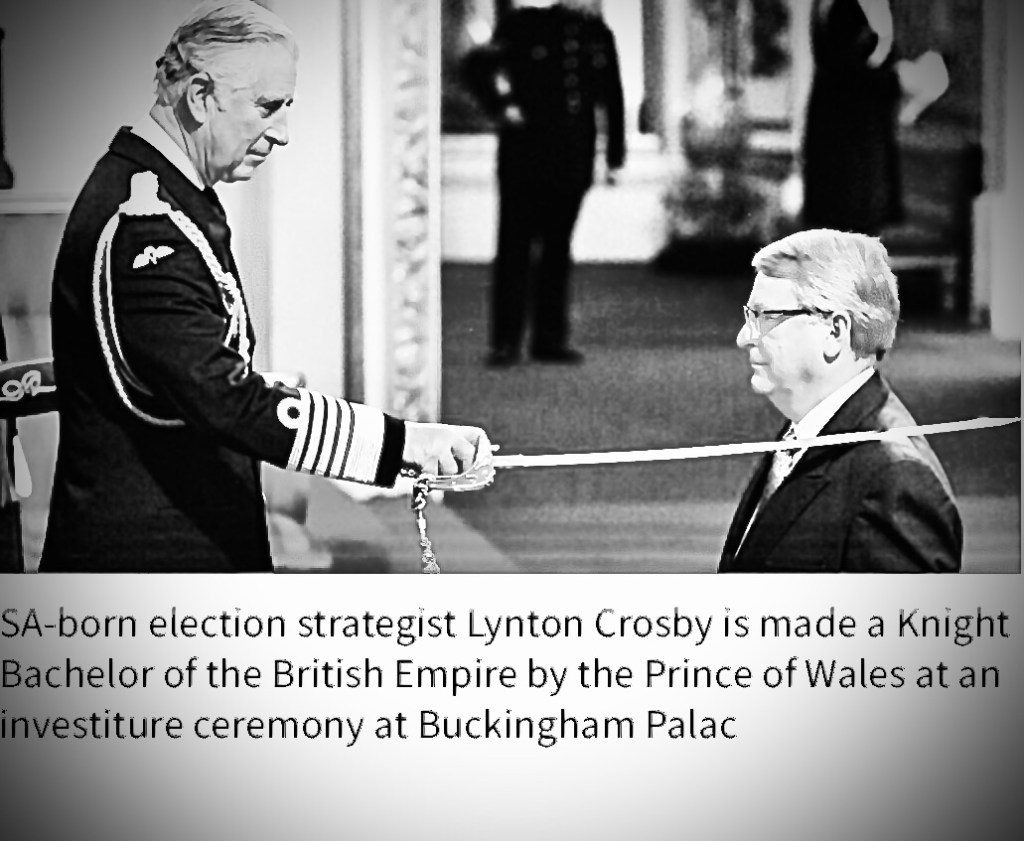
Kadina-born election strategist Lynton Crosby knighted in the UK
In a world that now thanks to more than 50 years of Chicago School, MIT and @Harvard Programmed Learning ‘mind-fuck’ – technically Social Darwinism, historically dating especially from the 1930s USA child-cruelty “Psychology” and European #Fascist eugenics – is largely wracked, traumatised (terrorised, indeed) and more than half broken ecologically – we none of us may be content with a cultural diet of deracinated nonsense from turgid cloying dead-from-the-neck-up 20th century speeches, songs and movies that were mostly chewing gum for the eyes ears nose & throat in the first place. History mauls and trashes those who fool with it and totalitarian – or -aryan – patriarchy is not it, OK?
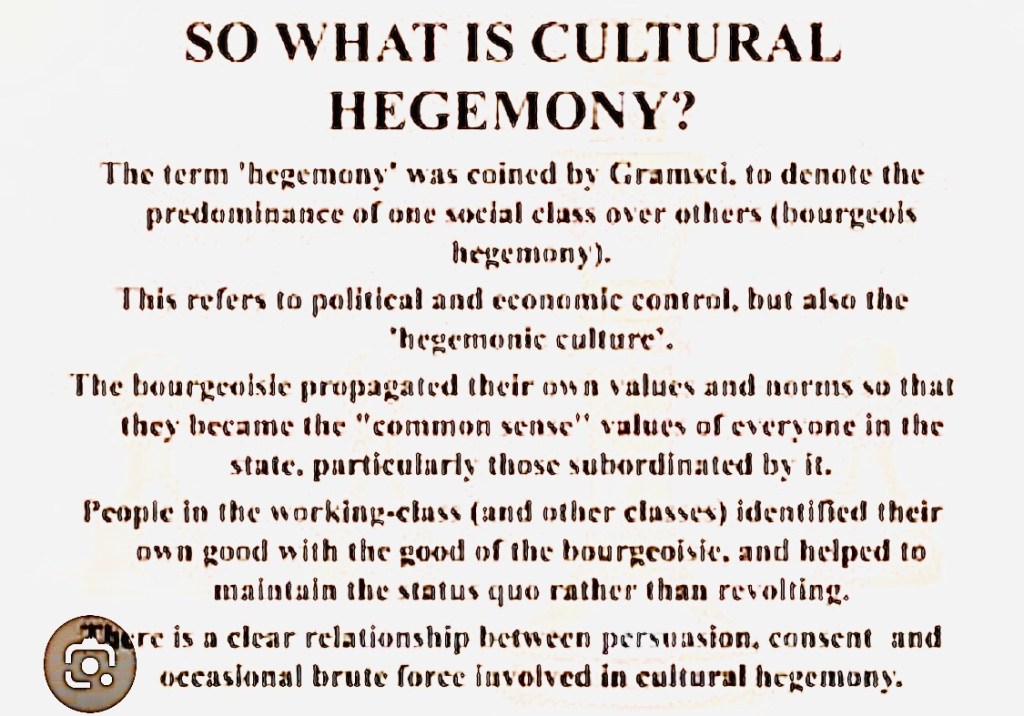
If you’d like a full-on dominant (if not hegemonic2) cultural explosion of human passion to witness – ‘local & live’ as the Old Era publicists would routinely spout – try the extraordinary explosion of football skills among young Australian sheilas in the last four short years.. And here we go, students, it is, yes, a furiously angry and powerful statement against mentally bereft old “business” men. Wheel out the @Yale rowing, er cricket, er Rugger theme-song ladies. Sociologists love this shit. It’s amazing.
Oh my dear Supply-siders , as I woke this morning I reflected I had not actually heard a single discussion on AI in Australia – or in USA newsmedia including the progressive Left/ Young @WBUR that was not also time-filler, wide-eyed, open-mouthed kids with their Christmas stockings consumer detritus.
“Should old people get a vote in the referendum? ..they won’t be around to see the consequences.”
David Bowman Australian Broadcasting Corporation Adelaide South Australia
“We’re dealing with the fragments of an idea here..” – a typically polite, non-confrontative, ‘gentlemanly’ South Australian in the post-fact domain of contemporary tendentious undergraduate Spite & Gotcha neo absurdist Australian public affairs.
Mother of Fork. How can we go on in this literally demented vein Australia? An unexamined life is alas and indeedvery soon a dead body.
Waleed ’n Scott, Radio National People
Well that’s me done for now. “Love” the smell of ideologic fascist putrefaction in the morning.
My non sarcastic & real love this morning is for the 16,000 immigration-scam people subject by degrees to virtual imprisonment, 24/ 7 coercion, forced labour and psycho- emotional torture. We’re told only 600 a year come forward for help. New South Wales police like it like that and after all is said and done “managing” blackfellas and non-‘white’ offshore-borns is their bag.
The “good” old NSW Labor Right and the Anglican Archdiocese of Sydney, we reflect.
WHEN will we get the movie for Christ’s sake?
John Blundell
Philosophy of Science Australia
..proudly Economics History Sociology Human Health and the new Neurolinguistics
1Consumer Alert: next comes the bit where you find to your dismay that you have indeed wasted your powers.
2 Gramsci – can’t pull up the pic so here’s his Right-side Supply-side alter-ego idiot
Electric 🚙 & 🚀 Dude, USAHere he was – in this heroic @iOS vs @Microsoft tussle both sides have their uses
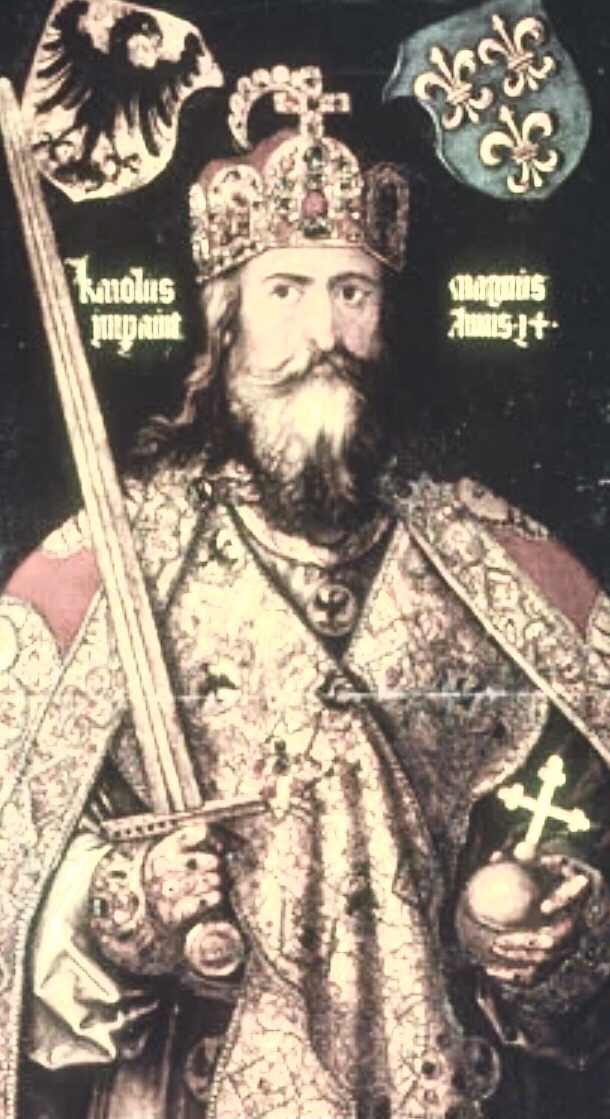
Charlemagne a member of the Carolingian dynasty, King of the Franks 768, King of the Lombards 774, crowned as Emporer of the Romans by the Pope Leo III in 800
I see a Gates msm.com banner this Thursday afternoon 31/8 aver the wheels are falling off the Anthony Albanese government.. oh, we gird our mental loins not only to possibly combat urinary incontinence but to deal emotionally with a days-long barrage of Samuel Longhorn Clemens ‘reports-of-my-death’ quips dredged from #ChatGPT, #CaLM or other #LLMs ad nauseam, indeed ad the death (mortem) from grown men and women on $150,000 a year salaries (with lots of rides on big aeroplanes) possessed of ferocious contempt for Julian Assange, Richard Boyle, David McBride and lately Daniel Duggan – and I must add men with no savings, assets or homes to call their own who’ve given worldwide leadership over 40 years in regenerative organic food production, value-adding and marketing and are now, as they enter their mid-seventies actually engaged and globally respected driving cohesive global philosophy of science awareness and intelligent adaptive decision in economy, ecology, sociology and human cultures – this being literally the dead-end of so-called Enlightenment or Romance Era 1500 – 2023 neoclassical “scholarship,” literature, science and barmy or completely bonkers Manichean metaphysics – but sadly fell foul of South Australian politicians and the variously mentally-raddled and full-blown sociopathic keepers of the morally and mentally unholy grail of Australian, British and North American show-business vanity-project racist sexist fascist murderous newsmedia..
NOW many of you good readers will be snarly, scared, forlorn, confused, exuberant or curled up in a ball behind the kitchen door next to the rerigerator at this and it may help to have a look at your Romance Era belief-systems, la..
“Boccalini’s account of the significance of power for the politician is today paralleled by the role of the doctrine of raison d’état in the minds of contemporary students of international diplomacy at strategy. The belief in the inevitability of raison d’état with its reliance on violence and the threat of violence as the controlling force in human affairs is uncritically accepted. State power relations expressed in a dynamic equilibrium of terror have come to assume an independent life of their own.
“The logic of the.. war against all, and it’s source in human greed and fear, has never been more succinctly expressed than in Treitschke’s enunciation of the two essential tenets of Machiavellism.
“They merit quotation in full, since they will be seen to go to the root of the matter.
“ 1. Your neighbour, even though [es sei denn] he may look upon you as his natural ally against another power which is feared by you both, is always ready at the first opportunity as soon as it can be done with safety, to better himself at your expense. He is forced to do it, if he is wise; and could not hold back, even if he were your brother.
“ 2. It is altogether insufficient for you to defend your own territory; on the contrary, you must keep your gaze fixed dispassionately on everything which could influence your situation, and you must in no way tolerate that anything inside these boundaries of your influence should be altered to your detriment, and never hesitate a moment if you can order something there to your advantage. For you can rest assured that the other will do the same whenever he can and if you delay in doing it now on your side then you will get behind him. Whoever fails to increase his power must decrease it, if others increase theirs.” 1,1A
Now there’s closely cognate or connected thoughts of only the last few years from Richard Stivers, for one2, also to the effect that all your affective empathy, modest public displays of compassion, sympatica, fellow-feeling, high-minded neoclassical (say 1840 -1910 City of London) altruism, tolerance (what is that?), self-sacrifice, dedicated attendance at literally hundreds of figuratively head-banging waste-your-little-life-away meetings where miners, people whose Registered Offices were remote beach shacks and “developers” waltzed in and fleeced your country of $100s of millions and then raced off to the Deputy Commissioner for Taxation (Australia) for more, your special minority interest-group campaigns and displays, indeed all ‘your’ piety, wit or even tears – as the pote3 wrote – could not lure it back to cancel half a line or wash out a word of it.. but the Niccolo Machiavelli is plenty to ponder at this moment I think.
See my @X for a Stivers book and a 2022 article.
On another matter, but think how intimately and even inextricably related – thinking, positing or propounding on absolutely any matter without sincerity and adult follow-up action is what narcissists, sociopaths, psychopaths, crooks and phonies do. So listen to the kids not the respected elders: you’re not writing a Face/ Insta vanity-piece or tourism promo, docu-drama or some biography for nostalgic old folk. Today belongs to you. With the National Socialists it was only Tomorrow4 – that way the eager boys and obedient girls could ‘cheerfully’ lay down their lives for the Fatherland today..
Come into the realm, demesne or domain & proverbial queen/ kingdom of the nominal Fifty-one thousand ecological regions of all there is of land & sea – these geographical regions of a notional 10k square kilometres, the conceptual sixth concentric circles of the conceptual notional 9-circle global economy.
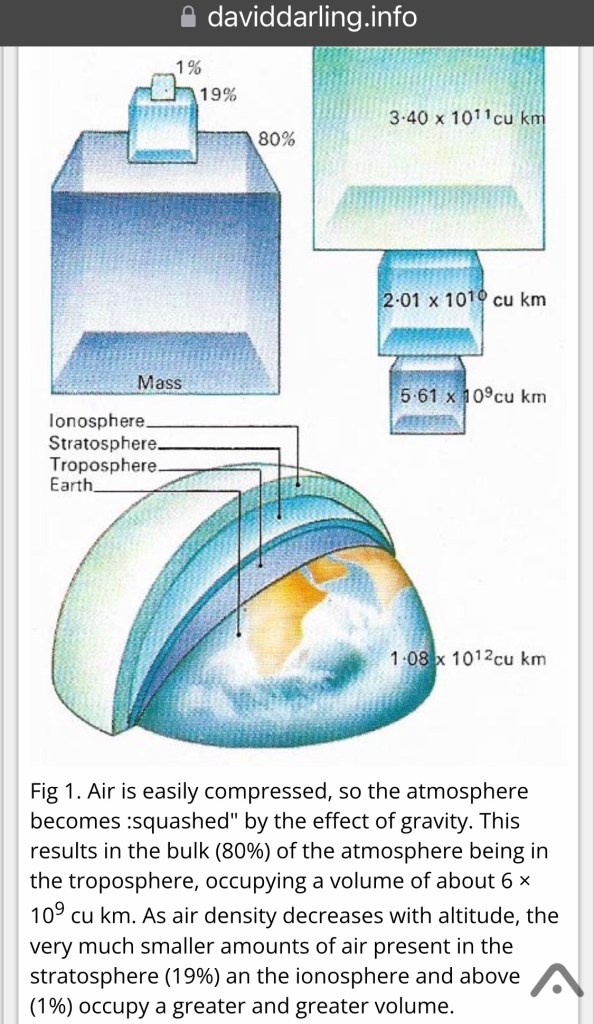
For symmetry and theoremic neatness – should you be an Ayn Rand, Alan Greenspan, Nathaniel Branden Madison Avenue 1950s objectivist clockwork “universe” fanatic who also nurtures an insatiable appetite for 20th Century newspaper magnates,’ archbishops,’ and Grand Muftis’5,6 fully programmable electro- mechanical human beings like the pervert Freud Goebbelsian brother-in-law Edward Bernays in that same orgiastic there-are-no-rules heady White Race triumphalist venue please do some bloody work for once in your psycho-emotionally scattered privileged prestigious high-priced global political elites’ “Science, Technology, Engineering, Mathematics” lives – readers can posit and identify Circle 10 as Earth’s failing chemically devastated and literally entropic7 atmosphere, this a query612 billion cubic kilometre container – with soft pliable borders to say 12 km altitude – Troposphere. Earth’s troposphere extends from Earth’s surface to, on average, about 12 kilometers (7.5 miles) in height, with its height lower at Earth’s poles … anyway first get a strong mental picture of the numbers & densities in mind per the below, with our thanks to daviddarling.info
Watch out for those lousy metaphors and reductio ad absurdum arguments – they’ll kill you stone-motherless dead every time.
Serving the dialectics of the damned and the wretched of the earth, or the erroneous and criminally malicious saws and aphorisms of the ruling elites we are not.
John Blundell, South Australia
Ideation & Behaviour Consciousness Neurolinguistics, Human Health, Authentic Green Economics ex Community Economist Publications Worldwide 1995 – 2003, Atmospheric & Weather-systems Studies, 2 – 5 Set Quantum Relational Logic, Philosophy of Science
Fighting gross accumulation into the heaving bleeding ground we are.
Tomorrow is the next day of the rest of your life. You’ll have to deal with this or butt out, ok?
1 Meinecke, Machiavellianisn, English trans. 1957, p371 in RV Sampson Equality& Power HEINEMANN BOOKS ON SOCIOLOGY General Editor : Donald Gunn Macrae1965
1A Anyone with vaguely passing knowledge of Harvard, MIT, Chicago School et cetera business management doctrines of the last 40 years will be familiar with the term Zero-sum Game, of obscure referencing but clearly about coercion, capture and mastery of the “If you’ve got them by the balls their hearts and minds will soon follow” type. The His increase + Your decrease @GretaThunberg b-l-a-h is obviously the geopolitical Zero Sum Game for Piagetian pre Formal Operations 11 year-old boys and girls
2 Distinguished Professor of Sociology at Illinois State University and the author of Shades of Loneliness: Pathologies of a Technological Society and Technology as Magic: The Triumph of the Irrational.
3 That was CJDennis (Den) I think, circa 1910. ..born Auburn SA when it was the Magistrate’s town between the Burra & Moonta Mines, spawning grounds of the 90% Methodist Church early South Australian Labour Party (Jim Moss, Sound of Trumpets History of the Labour Movement in South Australia 1985), the Dandenongs Vic
4 ..a Hitler Jugend song, The Linden Tree was it?
5 For a frankly scary insight into Pichai Sundararajan/ Google-Alphabet’s literal NEW WORLD ORDER, the Billionaire Cabal’s systematic and evidently comprehensive deracinatory – unlinking with lived, ecological or historical reality in favour of neoclassical Pseudo-christian nonsense – deconstruction and ideational reconstruction of human society for business fun and profit please “google” ‘Cailiff.’ Horrific? Oh yes it is. To conduct a closely similar urgent publicly important exercise try finding out by web search what Ivan Ilich’s DESKILLING referrred to …see eg. this flagrant non-inadvertent but truly nefarious @Harvard Programmed Learning/ Geoffrey Hinton, Samuel Harris Altman Trumpite lie replicated a billion times over and splattered about the earth for eager students daily: “Deschooling Society is a 1971 book written by Austrian author Ivan Illich that critiques the role and practice of education in the modern world.”
6 To URGENTLY get a personal grasp of the neoliberal business profit-driven engineered polarisation of human society in its entirety see this:
Also please note the devastation wrought on scholarship and philosphy in ALL urbanised societies on Earth since the 3rd Century CE by the Parthian (Sasanian Empire) “prophet” Mani {note follows:Manichaeism teaches an elaborate dualistic cosmology describing the struggle between a good, spiritual world of light, and an evil, material world of darkness.[8] Through an ongoing process that takes place in human history, light is gradually removed from the world of matter and returned to the world of light, whence it came. Mani’s teaching was intended to “combine”,[9] succeed, and surpass the teachings of all the religions of the global North}. You may also see the superb scholarly @Wikipedia entry..
7 Growing our language so as to eliminate logical fallacies and to indeed in the language of my @X account @greeneconomyact eradicate the erroneous hat-rabbits of sophistry, technologism, econo-babble, irrelevant deflectionary science and huge-budget public relations razza : the 5 or 6 significantly varied usages of the term entropic, the ‘neoclasssical’ or perverse pop-culture, elites’ literary culture & communications information technology theory usages – a large topic and demanding another essay.. – in the meantime a couple of notes, the second with live links. This field of study is a figurative linguo-cultural bonanza at a moment in all recorded and researched history of Life on Earth when theoretical and geophysical terms of reference and modeling have clearly turned to anodyne mush & speechifying tosh from Hollow Men. Shortly in these studies I will also go to diachronous (the historical lines of all neoclassical research and pontification – ever and always HALF-RIGHT with the back end of each statement – typically glided over, downplayed or heavily disguised by all newsmedia & smugly ridiculous pompous academics – evaluative affective emotive OPINION – which in turn is always half-right – please read more thoughtfully, reflectively and maturely on the late Sir Karl Popper’s disproof science to achieve some philosophical maturity-of-view here – by which political leadership worldwide in its tragi-comic heroic economic triumphalist naive celebration of represented realities after 1920s Hollywood are literally taking humanity as a whole out the back (or front) door) and synchronous philology (Ferdinand de Saussure, Swiss late 19th Century semiotician and philosopher) .
1) thermodynamics: a measure of the unavailable energy in a closed thermodynamic system that is also usually considered to be a measure of the system’s disorder, that is a property of the system’s state, and that varies directly with any reversible change in heat in the system and inversely with the temperature of the system. broadly: the degree of disorder or uncertainty in a system
2) One simple statement of the law is that heat always moves from hotter objects to colder objects (or “downhill”), unless energy in some form is supplied to reverse the direction of heat flow. Another definition is: “Not all heat energy can be converted into work in a cyclic process.”[1][2][3]
And here is the best a neurolinguistics scholar can do at this moment in human history to explain what are patently the pre-apocalyptic attitudinal and behavioural, Other-side and Right-side, RCHS & predominantly LCHS, ideational & USC executive scripts laid down for us by the jibbering madmen and folklorists of the European Dark Age pre 1509 CE..
(ii) Reason and Emotion of Inequality, an excerpt from RV Sampson Heinemann 1965
If reason is not an insulated, morally neutral attribute of [“]the mind[“], the question must be raised as to why there is no general agreement about the nature of moral referents. Is it not clear that there are unbridgeable gulfs between people, arising out of fundamental differences of valuable and intractable to rational resolution? The instance generally uppermost in people’s minds today is the contrast between Communist and Capitalist cultures.. it is not at all clear that the moral referents are significantly different – ther Other is guilty of tyranny, suppression of freedom, exploitation of the weak. The self is engaged in maximising the area of freedom, prosperity and justice to all for present and future generations.
Nevertheless, it has to be admitted that the principle of equality is not by any means [“]universally[“] accepted as morally binding. Nor are those who dissent self-evidently less intelligent or less sincere than those who differ with them. To the moral relativist this presents no problem. But the non-relativist, at the risk of appearing arrogant, is logically bound to account for the fact. To do what is right may not always be within my strength; but should it not be possible always to will what is right? But this too is very difficult. Wgere moral duty is sharply opposed to desire, and is accordingly painful, the mind has a fatal facilty for self-deception. It can easily manufacture ‘reasons’ which ‘convince,’ thereby protecting the psyche from truth that is painful, thus enabling it to believe what it wishes to believe. Freud expressed it as follows:
Our intelligence, they teach us, can function reliably only when it is removed from the influences of strong emotional impulses; otherwise it behaves merely as an instrument of the will and delivers the ideation which the will requires. Thus, in their view, logical arguments are impotent against affective interests, and that is why reasons, which in Falstaff’s phrase are ‘as plenty as blackberries,’ produce so few victories in the conflict with interests.1
“Boccalini’s account of the significance of power for the politician is today paralleled by the role of the doctrine of raison d’état in the minds of contemporary students students of international diplomacy at strategy. The belief in the inevitability of Raison d’état with its reliance on violence and the threat of violence as the controlling force in human affairs is uncritically accepted. State power relations expressed in a dynamic equilibrium of terror have come to assume an independent life of their own.
“The logic of the.. war against all, and it’s source in human greed and fear, has never been more succinctly expressed than in Treitschke’s enunciation of the two essential tenets of Machiavellism.
“They merit quotation in full, since they will be seen to go to the root of the matter.
“ 1. Your neighbour, even though [es sei denn] he may look upon you as his natural ally against another power which is feared by you both2 is always ready at the first opportunity, as soon as it can be done with safety, to better himself at your expense. He is forced to do it, if he is wise; and could not hold back, even if he were your brother.
“ 2. It is altogether insufficient for you to defend your own territory; on the contrary, you must keep your gaze fixed dispassionately on everything which could influence your situation, and you must in no way tolerate that anything inside these boundaries of your influence should be altered to your detriment, and never hesitate a moment, if you can order something there to your advantage. For you can rest assured that the other will do the same, whenever he can; and if you delay in doing it now on your side, then you will get behind him. Whoever fails to increase his power, must decrease it, if others increase theirs.3
John Blundell
Sociology Economy Neurolinguistics Philosophy of Science
South Australia 31/8/2023
1Thoughts for the Times on War and Death, 1915 Coll. Papers, Vol. IV p. 303.. “Its [the ego’s] position midway between the id and reality tempts it only too often to become sycophantic, opportunist and false, like a politician who sees the truth but wants to keep his place in popular favour
2 It is utterly essential in using this essay of mine as a learning tool that readers grasp that the Piagetian pre-teenage Concrete Operations and quasi autism spectrum cum Immediate-gratification-of-needs of addictive self-perpetuating Consumer Culture – falsely and perniciously called Youth Culture in mid 20C USA pop or ‘tabloid’ psychology mindset and developmental stage in every young persons’s life is perfectly exemplified in My friend’s enemy is my enemy – the ideological or cultural ‘bottom line’ of all crude zero-sum game dysregulated free-marketist or neoliberal business practice and enviro-social depradations
3 Meinecke, Machiavellianisn, English trans. 1957, p371 in RV Sampson Equality& Power HEINEMANN BOOKS ON SOCIOLOGY General Editor: Donald Gunn Macrae1965