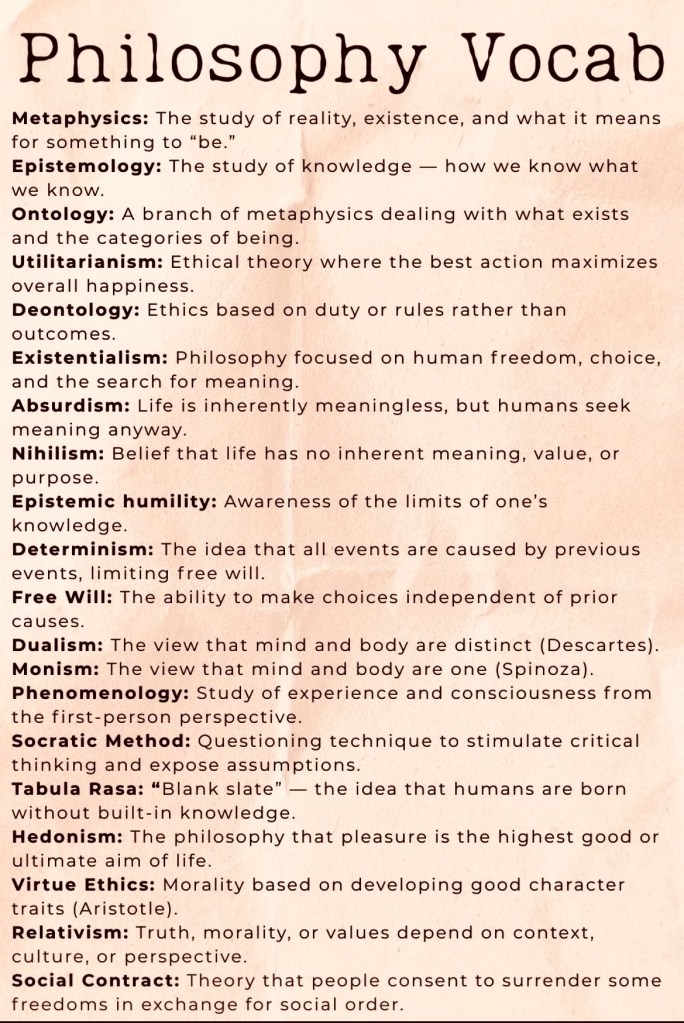
Excuse me everyone, but after the shock and schlokᵛ of an English monarch who re-crafted government as Masculinist Sexual-romping thus seconding intelligent adult macro reflection and conversation on human consciousness & phenomenology (PLUS on great works of art and literature and stuff) to Warrior-princes, conquistadors, GOVEARNMENT SIGHIN’ TESTSʷᵂ, navigators, explorers, Merchant-men and the deflowerers of 11-12 year old dusky Pacifica girls the figurative & proverbial LIFE of the MIND (where men with balls DID THINKING and ∴ were in full industrial, political, cultural AND psycho-spiritual EFFECT) turned to spectacularly time-wasting pointless academic chat actually calculated and computated to alienate the young and turn their minds to self-loathing depressive mental illness & other-hating revolutionary bloodshed, D-movies and the late Ted Turner’s @CNN
JOHN 🦘🌏🌍🌎
• the internet involution
• neurocognitive health comprehended
• 2-5 set series quantum-relations logic 17/4/1998 – Sat 8 Aug 2026
• immediate personnel overhaul & reconceptualisation of Aristotelian macro-mental association, learning, growth & quantum nextness in 25k universities
• a love of his country he never once departed
🥸🤩🧐🤓🥸🤨🧐🤩🤓😎🥸😟😩😢🥳
^shlok (or shloka) means a verse, hymn, or sacred stanza in Sanskrit/ DTJUHRU-NGA in Pitjantjatjara Australia
[ Definition and Origin
- Literal Meaning: Derived from the Sanskrit root śru (meaning “to hear” or “that which is heard”), a shlok traditionally refers to a spoken or chanted song of praise. [facebook.com/davpssec49…, en.wikipedia.org/wiki/S…]
- Structure: In classical Sanskrit poetry and scriptures, a shlok is typically a couplet or a four-line stanza (quarter-verses) following specific metrical rules. [ancestry.com.au/first-n…, en.wikipedia.org/wiki/S…, facebook.com/davpssec49…]
- Context: It is the primary verse form used in Hindu epics and sacred texts like the Bhagavad Gita, the Vedas, and the Upanishads (A shlok (or shloka) means a verse, hymn, or sacred stanza in Sanskrit/ Djthuhru-nga Pitjantjatjara Australia common English-speaker’s usage in the 1950s as “an Englishman abroad” WE (Bill) Harney ‘ran’ Uhluhru called Ool-rah central Australia Chuh-ringah ]
ᵂʷ a play on words, that, Young-people-nga

 Billionaire-🙈🙊🙉🐒s with Olivettis